


We are one
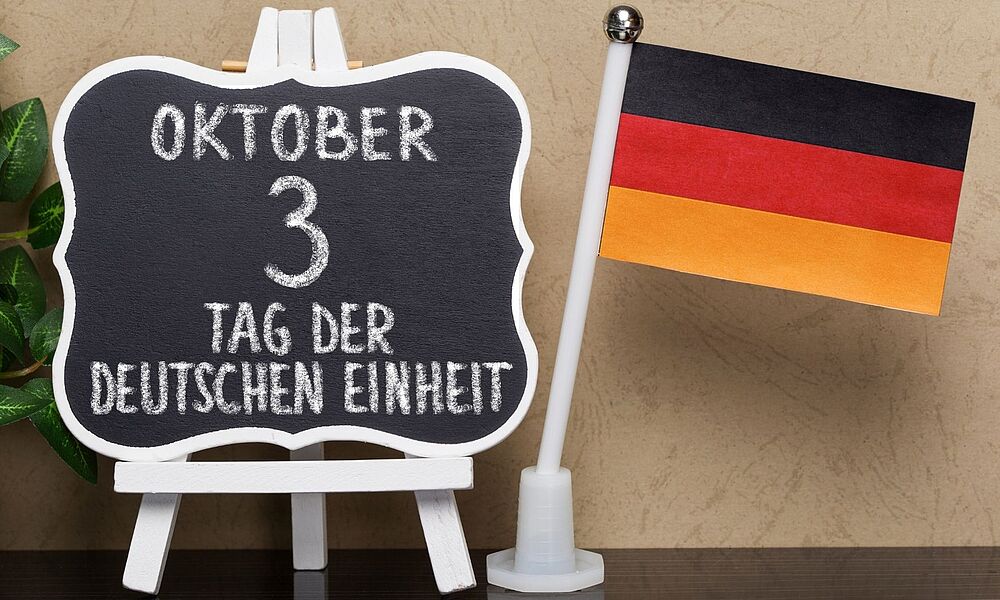
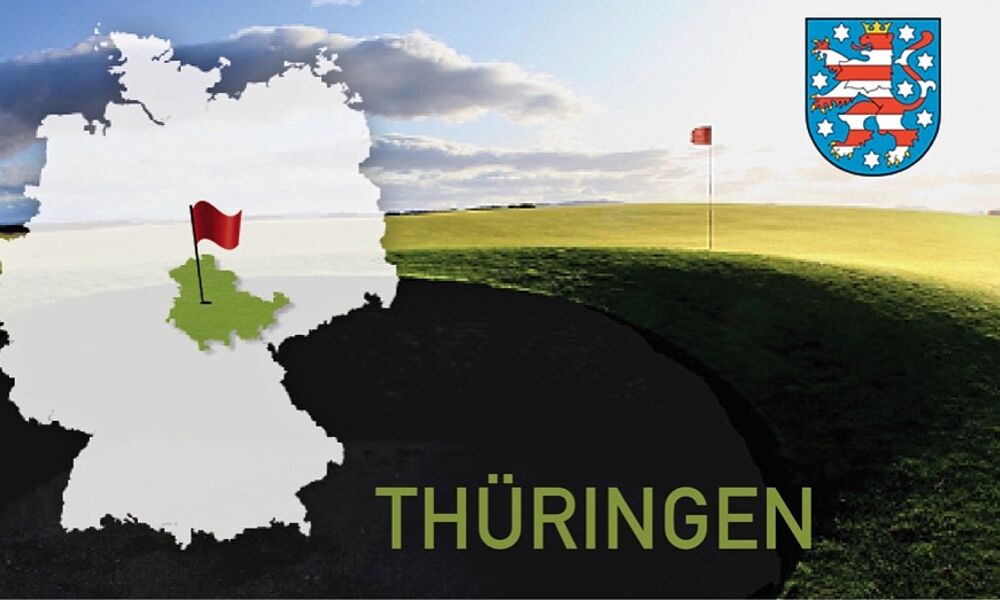

Germany is celebrating! This year marks the 30th anniversary of the reunification of East and West Germany on October 3. This was preceded by the fall of the Berlin Wall in November 1989 with the end of the Cold War. Reason enough to take a closer look at the "new" federal states of Thuringia, Saxony-Anhalt and Saxony, especially as 100 years of Bauhaus architecture also need to be honored. By the way - there's also golf!
A travel diary
World heritage, wine and great watches
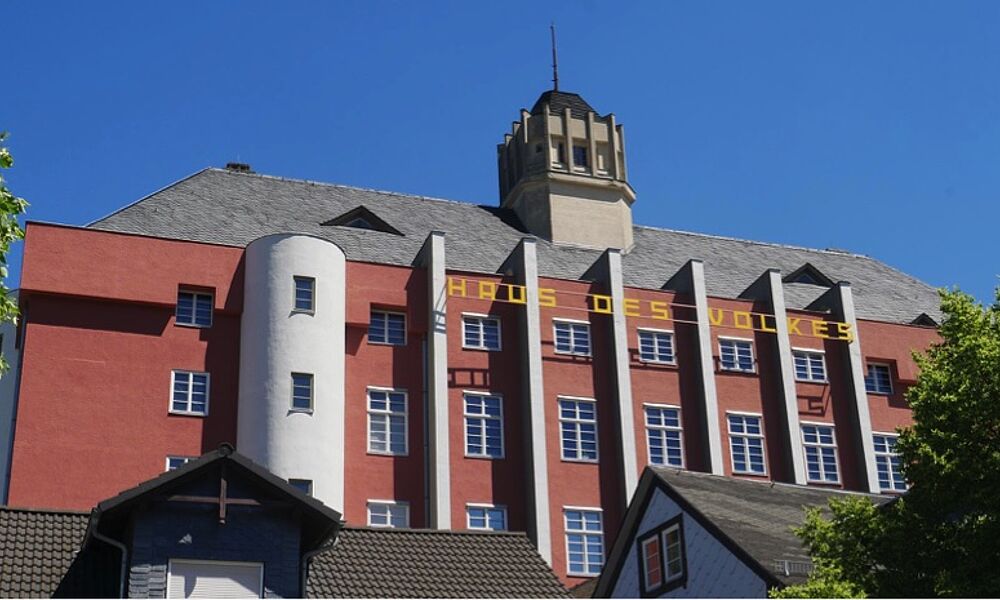
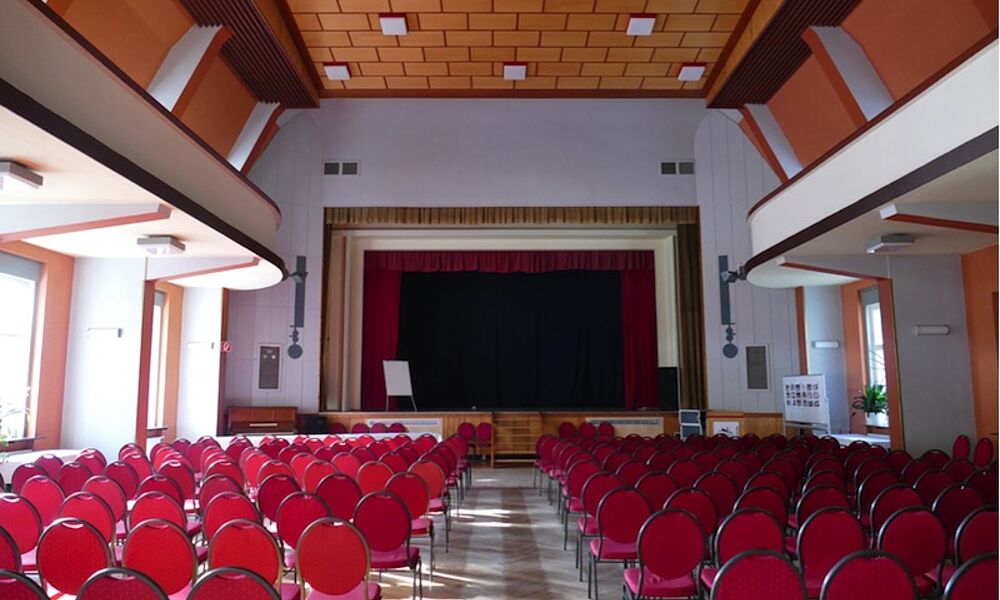
The journey from Bavaria to Thuringia shows us: "Dark Germany" was yesterday. We search in vain for traces of the demarcation line for which the Thuringian Forest was so feared back then. The hidden mines have been cleared, the watchtowers removed, the formerly gray houses greet us with a pastel coat of paint and the desolate roads have been made passable again. All sponsored by our solidarity contributions, the "Wessis" boast, which in turn annoys the "Ossis". Is this the reason for the lack of a welcoming culture or is it still a relic from the former GDR? In any case, we experienced it first-hand in Probstzella, our first stop in Thuringia. In the post-war years, the "Haus des Volkes" was one of the largest employers in the region and still dominates the small village of Probstzella today, where foxes and hares usually say goodnight to each other. In 2008, after years of renovation, owner Dieter Nagel opened his first Bauhaus hotel, which today looks like a museum. A cinema, dance and theater hall, bowling alley, library, sauna, Itting Museum and a park with kiosk, stage and gymnasium were planned from the outset. The 53 guest rooms, the restaurant with Art Nouveau elements and the coffee pavilion, a glazed extension reminiscent of a railroad carriage and therefore called the D-Train, are unadorned and puristically furnished. Today, people get married here, celebrate in the red room and dine in the blue room. In the middle of deepest Thuringia, where 30 years ago there were 17 deaths in this GDR border village, theater and concert performances, seminars and workshops as well as local history evenings are now taking place again. Dieter Nagel is proud of this - his "House of the People" is alive again.
To Goethe & Schiller & golf
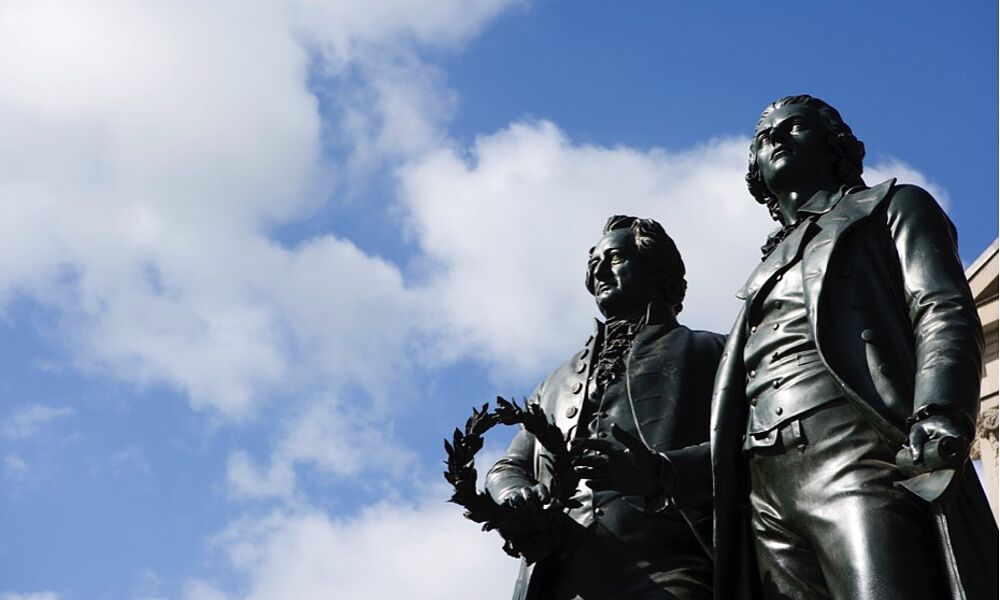
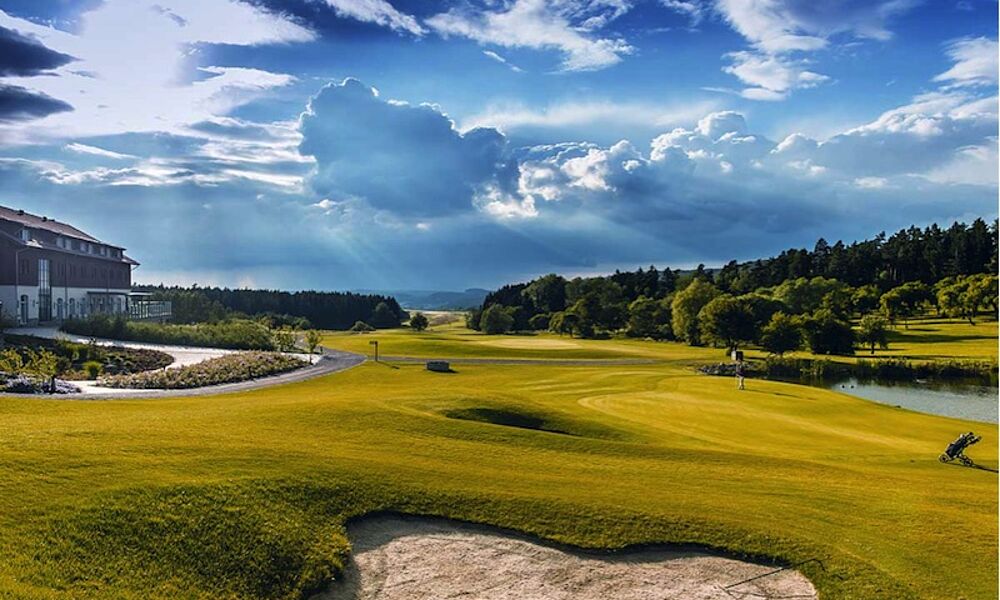
In 2019, Weimar was Germany's jubilee city. The Weimar Republic was founded here in 1919 and at the same time Bauhaus architecture was born. There is a museum dedicated to both, which is well worth a visit if you plan to spend two days here: In the City Museum with a permanent exhibition of the history of 1919 - 1933 and in the Bauhaus Museum with the world's oldest Bauhaus collection, with 13,000 objects and documents. "From Thuringia to the world" is the title of the magazine with sights, insider tips and highlights for 2019. If it weren't for Goethe's National Museum and Schiller's residence, the Duchess Anna Amalia Library and around 20 other sights, then you could finally head out into the countryside - for example to the Weimar Golf & Spa Resort. A historic, listed manor as a four-star superior hotel with 94 rooms and suites as well as a 2,500 m² wellness area and a spectacular 36-hole golf course in a fantastic natural setting. The special features are not only the two 18-hole courses, the Goethe Course and the Feininger Course, but also the third, the Bobby Jones Course, which can be played as a combination of the first two. Facit: The 18th hole on the Feiniger Course is the most beautiful, especially at sunset. On the Goethe Course, water features with island greens await as a challenge and the original manor house architecture with high wooden ceilings, historic half-timbering and the mix of modern country house style spiced up with modern art and antiques are generally impressive.
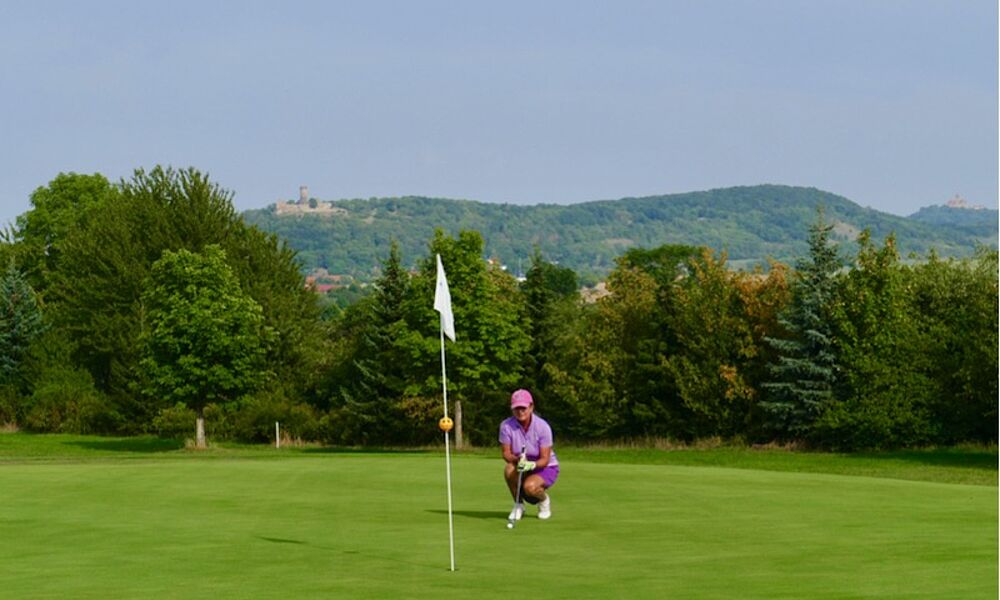
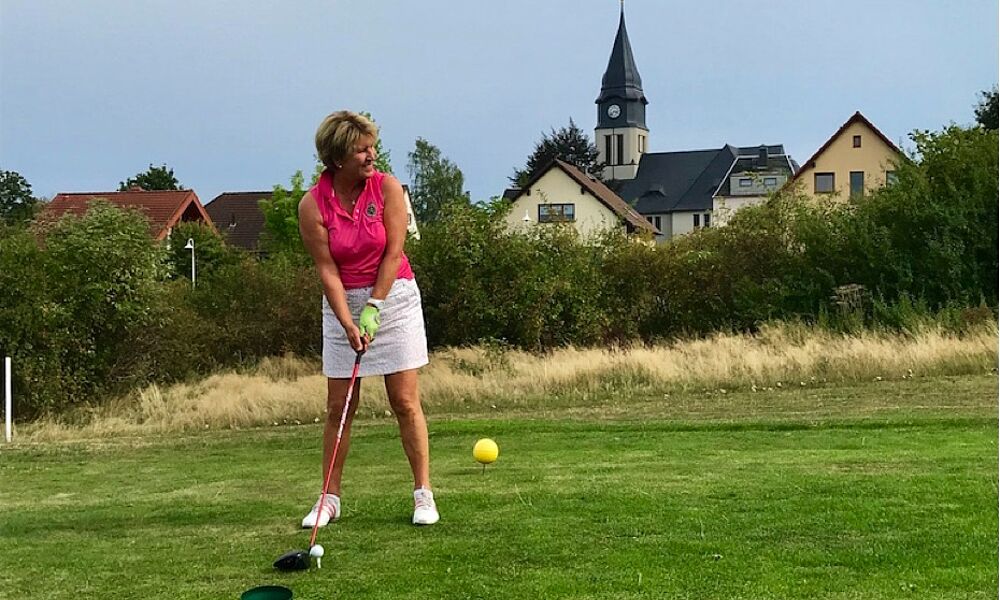
On the way to Saxony-Anhalt, we can't miss the "Drei Gleichen" golf course. Firstly because it is the oldest course in Thuringia and secondly because it offers the best view of three castles, which you can see from the 6th tee. Before that, you have to fight your way over the longest par 5 (615 meters) with a dogleg and holes escorted by rows of trees. Water plays no role on the 18 holes, rather the hilly terrain with long runs. The modern clubhouse with the "Taubennest" restaurant is housed in an old half-timbered building, as is the pro store. A relaxed game is guaranteed here.
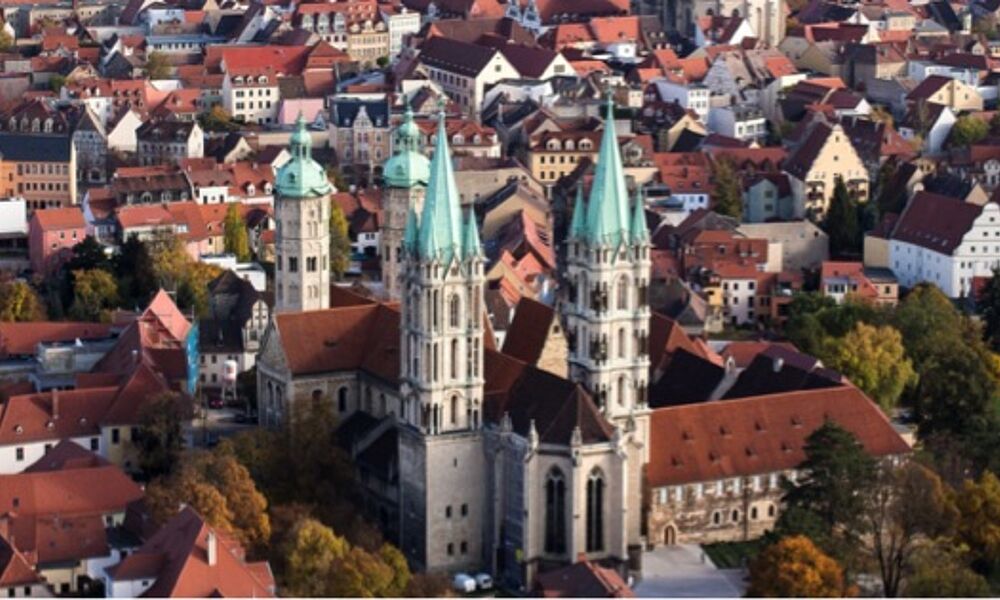
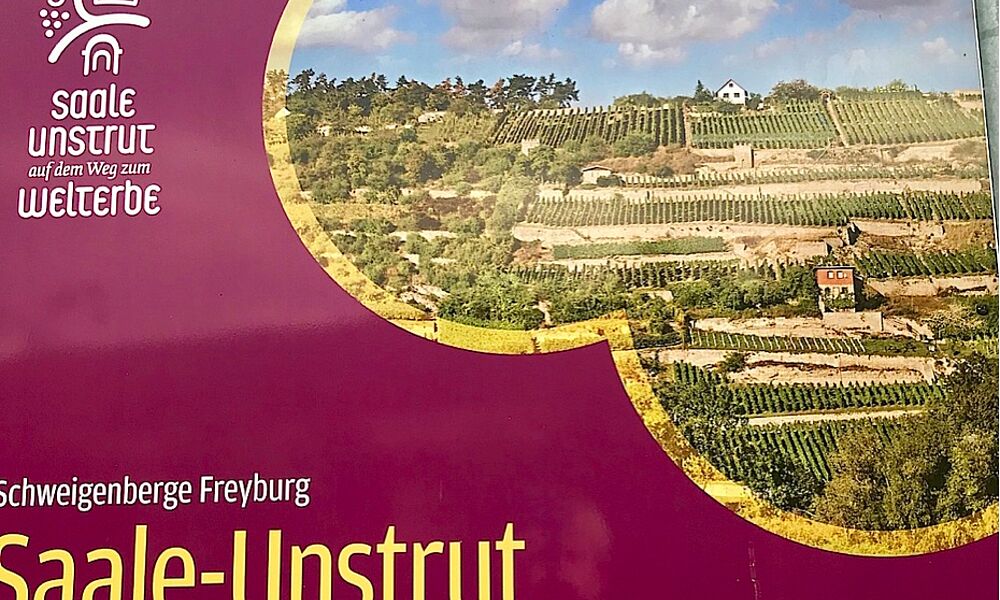
Saxony-Anhalt's main attractions are the Bauhaus, Martin Luther and the Naumburg Cathedral World Heritage Site, but that's not all there is to see here. Even here in "SA", a dynamic towards cultural and artistic modernity seems to be developing. At least around Dessau, where the Bauhaus building is showing the best exhibits this year. We drive along the now 25-year-old Romanesque Road towards Naumburg, with its cathedral, which has just been declared a UNESCO World Heritage Site, and the famous founder figure of Uta von Ballenstedt, and continue along the wine route to Saale-Unstrut, which is also celebrating its 25th anniversary this year.
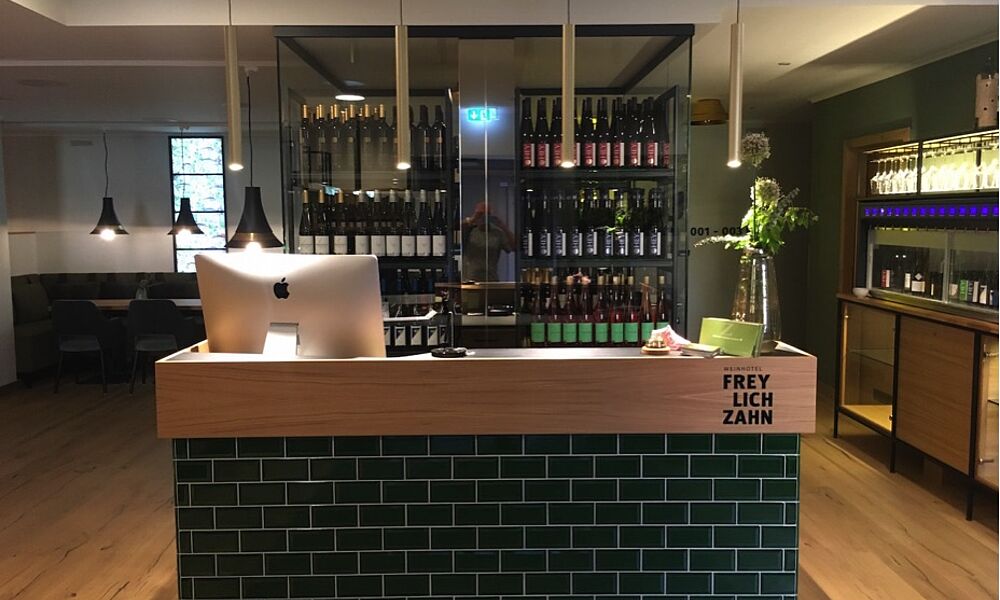
The quality wine-growing region covers around 768 hectares and is said to be part of the northernmost wine region in Germany, which was founded by monks in the Middle Ages. So off we go to the wine town of Freyburg and the Freylich Zahn wine hotel, which is stylishly housed in a former factory. It's all very well, but the hospitality and all-round wine bliss are lacking: no welcome drink, no wine taverns nearby, no "Remmidemmi a' la Kellergasse" and the sidewalks are folded up at 9 pm. A bitter disappointment for us wine-loving travelers, if it weren't for the Rotkäppchen sparkling wine cellar, which is teeming with young and old. During a tour of the "hallowed halls", we learn that "Rotkäppchen" has been Germany's most popular sparkling wine brand since 1856 and is still successful on the market today with 278 million bottles and a turnover of over one billion euros. But together with Mumm. And then we got around to tasting the wine after all. Because once a week, every Wednesday, there is the Bergfest at the Weinberghotel Edelacker with live music and wines from the "Breitengrad 51" winegrowers' association, some of which grow their Pinot Blanc, Pinot Gris and Riesling wines on the ducal vineyard. We were also able to taste the quality of the red wines at the Pawis winery.
From industrial culture in Chemnitz to the art of watchmaking in Glashütte
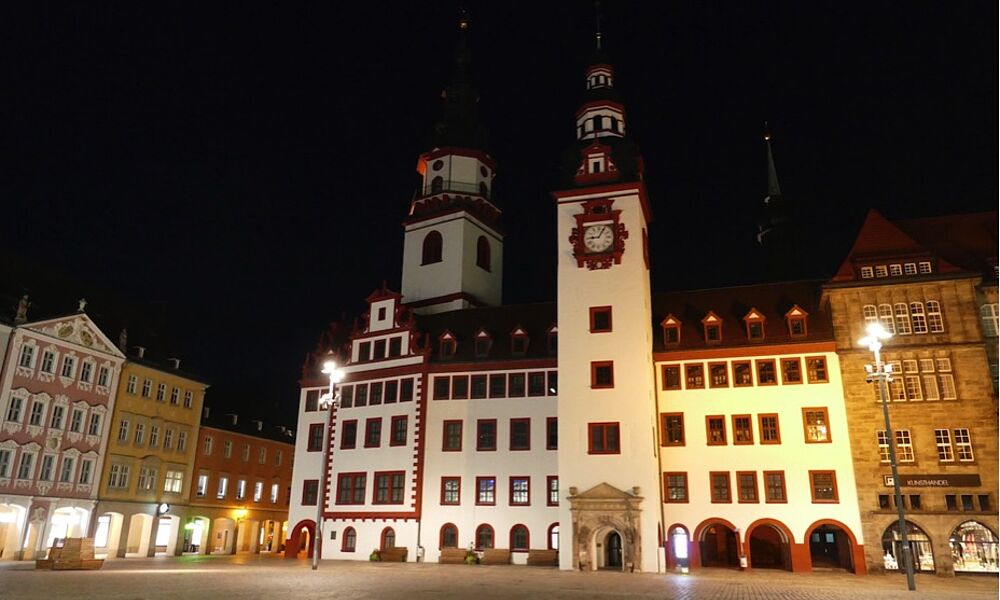
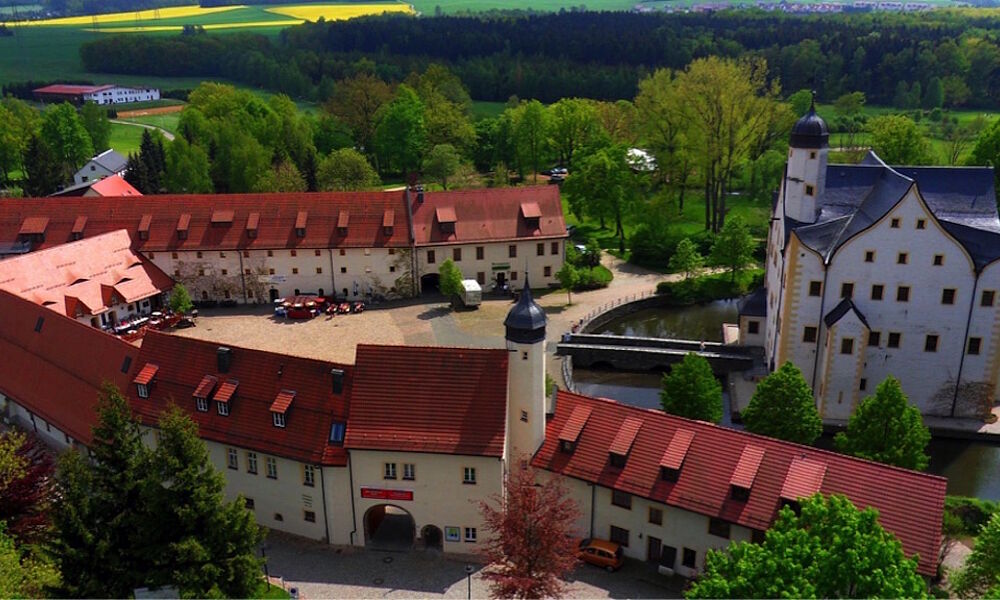
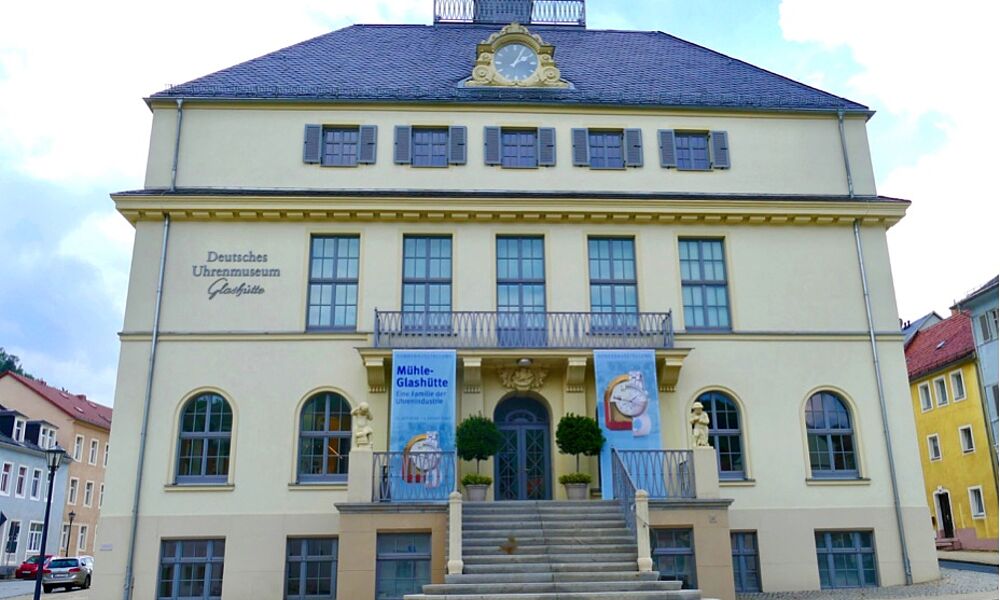
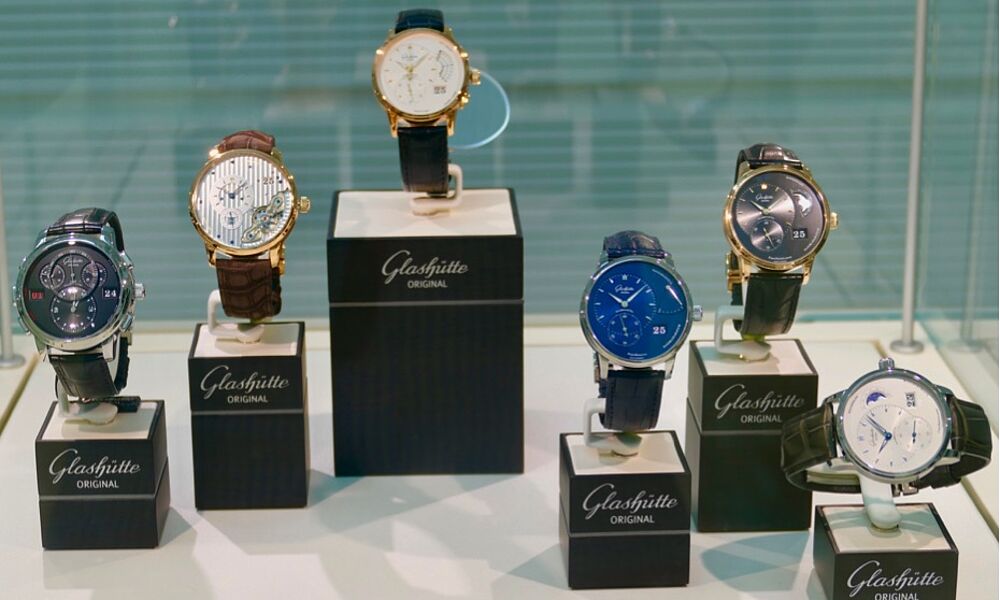
Our last stop in Saxony turned out to be one of the highlights of our trip - and not just because of the watchmaking mecca of Glashütte. Before that, however, we wanted to make a quick detour to the politically troubled city of Chemnitz and its industrial culture. An hour-long tour, during which we were able to see for ourselves what a beautiful city it is - without AFD marches with NAZI slogans - ended for us at the Janssen factory, a former hosiery factory dating back to 1824 on the banks of the Chemnitz. An imposing brick building and witness to the local industrial architecture. Right next door is the restaurant of the same name with excellent cuisine. As a counterpart to the cultural excursion, we chose the moated castle of Klaffenbach, 20 minutes away, with its castle hotel and Chemnitz Golf Club. The large inner courtyard is often used for concerts, which is when it really gets busy. On the 18 holes, however, we play the first four flat holes around the castle and the others in hilly terrain with a view of the castle in holy peace. Thus motivated, we set off for the last destination of the trip to Glashütte. For the self-confessed watch fetishist, this is comparable to a trip to Mecca. We are surprised that an inconspicuous small town on the edge of the Ore Mountains between Dresden and the Czech border should be the international center of watchmaking. This is where luxury watches such as Lange & Söhne, Glashütte Original, Union, Mühle, Nomos, Bruno Söhnle, Tutima and Wempe Chronometer are produced. The first stop takes us to the Glashütte Original manufactory, a stylish all-white building with real watch treasures shining behind glass showcases. Here, 500 skilled watchmakers assemble these valuable timepieces from tiny parts, which rival even the Swiss. In the watch museum next door, the permanent exhibition takes visitors through 174 years of Glashütte watchmaking. Oh yes - and you could also buy the most amazing watches here - the prices range from 1500 to 240,000 euros. Well then!
More information about the trip:
Thuringia:
www.thueringen-entdecken.de www.bauhaushotel.com www.weimar.de
Saxony-Anhalt and Saale-Unstrut:
www.saale-unstrut-tourismus.de www.naumburg.de www.freylich-zahn.de www.rotkaeppchen.de
Saxony:
www.cwe-chemnitz.de www.schlosshotel-chemnitz.de www.uhrenmuseum-glashuette.com



![[Translate to en:] AMADEUS Riva (c) Lüftner Cruises](/fileadmin/_processed_/d/e/csm_AMADEUS_Riva_ebdf4c2c55.jpg "[Translate to en:] AMADEUS Riva (c) Lüftner Cruises")














































![[Translate to en:] AMADEUS Riva (c) Lüftner Cruises](/fileadmin/_processed_/d/e/csm_AMADEUS_Riva_64c1995e26.jpg "[Translate to en:] AMADEUS Riva (c) Lüftner Cruises")