



Luxury travel in transition
The value of experience
07/24/2024 Reading time: 4 Minutes
Travel and luxury mobility, especially in the luxury segment, was considered a boom with big plans. In addition to the material luxury of travel, a new form of luxury, characterized by sustainable and unique experiences at the highest level, was in the starting blocks. Luxury travel as a consumer good and self-awareness trip in equal measure was to characterize the 21st century, and a mega market was predicted for long-distance travel. Things look different today. A virus has brought the gigantic plans of an ambitious trend market to an abrupt end - or has it?In the Amadeus study "Shaping the Future of Luxury Travel" from 2016, the luxury travel market showed an average annual growth rate of 4.5 percent between 2011 and 2015, while the overall market grew by 4.2 percent. The study forecasts an average annual growth rate of 6.2 percent for luxury travel between 2015 and 2025, almost a third more than the overall market at 4.8 percent.
The latest figures now paint a rather gloomy picture. An example from Germany, the country of world travel champions: in the past travel year, only 37% traveled for at least 5 days, around 40% less than in 2019. According to the 2021 tourism analysis by the Foundation for Future Studies, there has never been such a slump in the modern history of travel.
But there is hope.
Although it is currently difficult to predict when and how people will be able to travel in 2021, almost half of Germans are already planning to go on vacation this year. One in five would even like to do so several times. A third are still undecided and are waiting to see how things develop. 25% are certain that they will not go on holiday.
The recently published forecasts from the 2030 trend study by RA Reiseanalyse (FUR, 2021) show a cautiously optimistic picture that - if the pandemic can be overcome - the number of vacation trips will roughly return to the "pre-corona" forecast level. Longer vacation trips will fall slightly compared to 2019, while short trips will increase slightly. The pent-up desire to travel, but also the expectation of positive effects on fitness, health and strengthening resilience will be the driving force behind bookings. Long-distance travel has suffered a significant setback. They will recover by 2023, but will not reach the original forecast figures. Cruises are expected to fare similarly. In addition to high hygiene standards, important components for bookings, especially for luxury travelers, are being able to return home quickly and having little contact with strangers.
Tourism will recover, but all experts agree that it is changing more than ever. The longer the crisis lasts, the more lasting and serious the changes will be. However, this new definition of travel could also be a great opportunity to rethink what has been successful so far and "translate" it into the new post-corona era. Providing an answer to the desires that people have today will be the key to success.
Luxury travel: Personal, slow, unique.
The desire to travel continues unabated, especially in the luxury segment, even though vacations, at least in the next two years, will mainly take place in short and medium-haul countries. Intra-European tourism is gaining in importance, as is intra-Asian tourism in Asia. The fear of being "stranded" in the world will strongly influence the choice of destination. There will be much greater demand for concepts with a high degree of privacy and individual services.
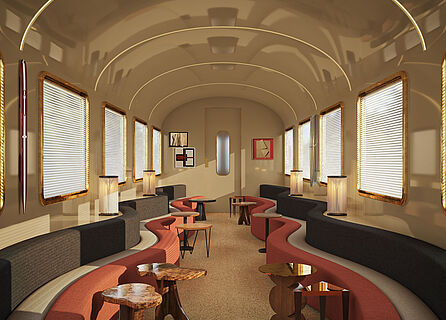
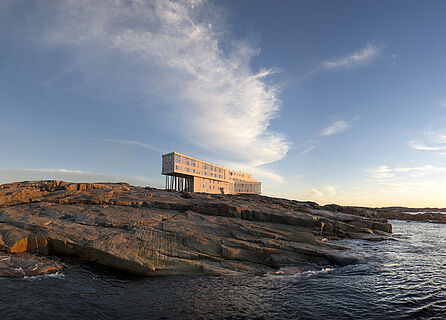
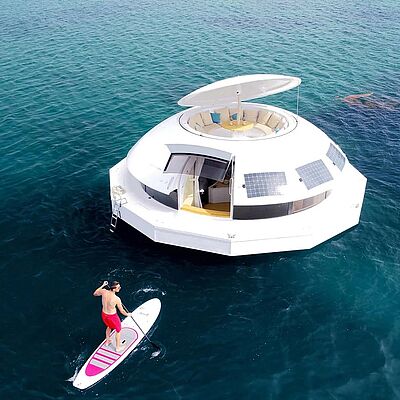
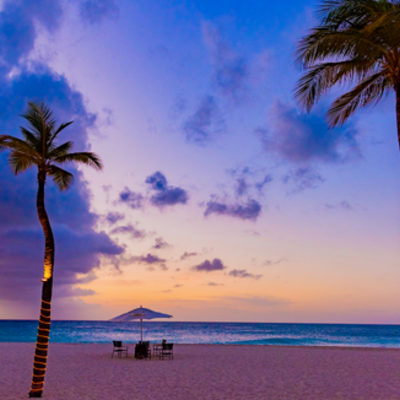
What seemed to develop slowly pre-corona has now picked up speed as a travel trend much faster than expected - the longing for authentic and unique experiences. The famous "golden taps" as a symbol of material luxury when traveling are no longer enough. The value of the experience defines the new luxury, the price hardly plays a role. It is about deep and unforgettable memories and moments that are priceless in the truest sense of the word. Sustainability, previously hidden regional specialties and culture in combination with "taking your time", individual service and outstanding moments of pleasure are on the luxury travel agenda. Cruises are also facing a new direction. The future belongs to smaller luxury ships with fewer passengers, cabins as private retreats and special service and experience concepts that enrich a (luxury) life.
Angelica Freyler is a travel journalist and marketing expert for luxury tourism



![[Translate to en:] AMADEUS Riva (c) Lüftner Cruises](/fileadmin/_processed_/d/e/csm_AMADEUS_Riva_ebdf4c2c55.jpg "[Translate to en:] AMADEUS Riva (c) Lüftner Cruises")











































![[Translate to en:] AMADEUS Riva (c) Lüftner Cruises](/fileadmin/_processed_/d/e/csm_AMADEUS_Riva_64c1995e26.jpg "[Translate to en:] AMADEUS Riva (c) Lüftner Cruises")