


Quite aloof
Business with private jets is booming.
07/24/2024 Reading time: 6 Minutes
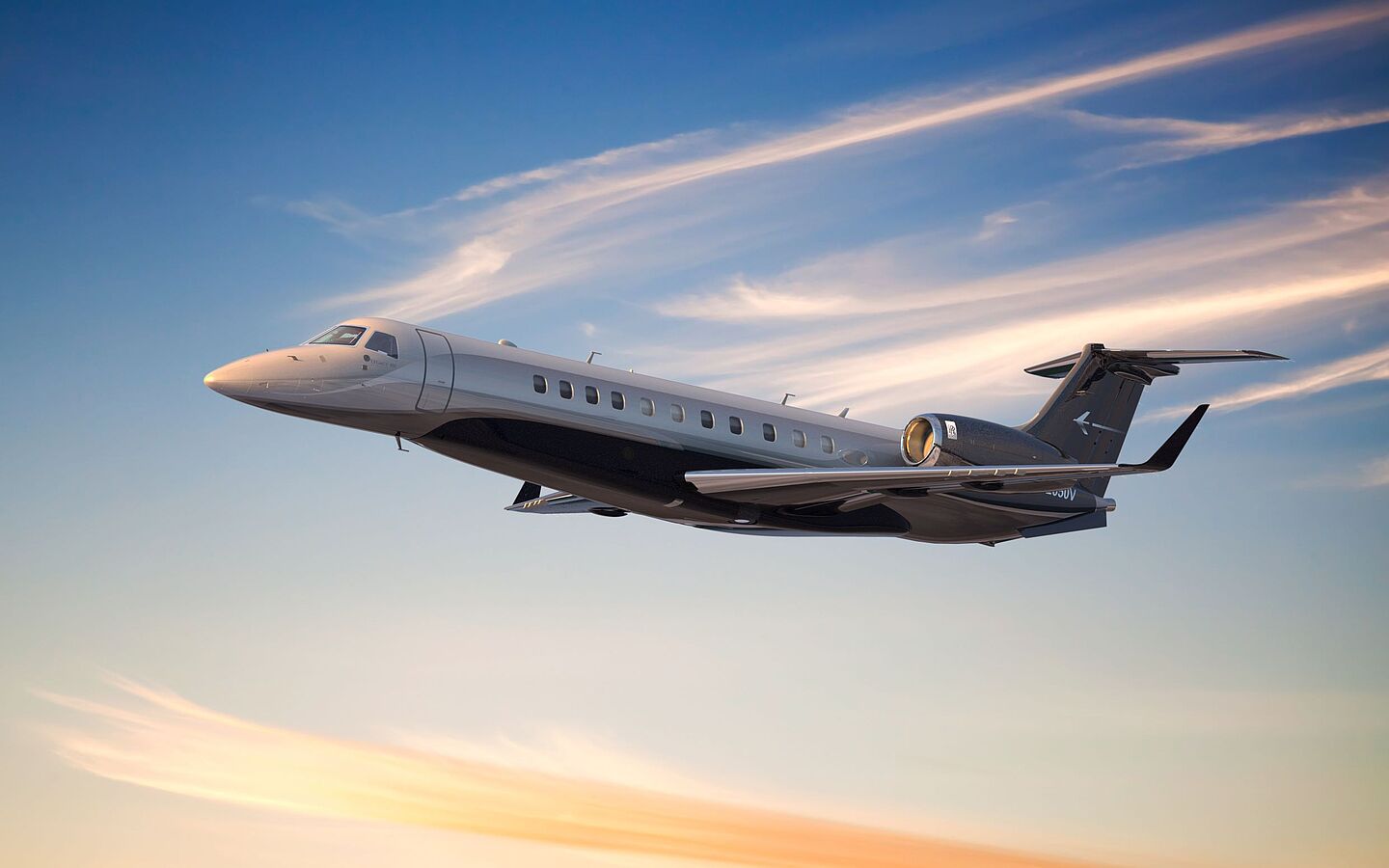
Business aviation is doing well. A statement that may initially cause surprise, as the aviation industry has been hit particularly hard by the pandemic. However, the business jet segment is driven by business travelers - and they need to be able to react quickly and flexibly to the current circumstances. Airlines cannot be relied on at the moment. Many are still operating with limited capacities and flight schedules. This is why 90 percent of customers in the general aviation business are business people who use their jets as business tools. However, the importance of the leisure segment is also increasing. Popular aircraft include the Embraer Phenom 300 and Cessna Citation jets. These are the aircraft that are currently in high demand and, with ranges of up to 2,500 kilometers, meet the requirements of the vast majority of customers.Aircraft Finance Germany (AFG), based in Frankfurt am Main, works closely with aviation companies, manufacturers, banks and financial institutions all over the world and can be regarded as one of the leading aircraft trading companies. In recent years, around 100 aircraft transactions worth several billion US dollars have been concluded via the industry specialist. AFG also sees itself as a consultant. Perhaps now more than ever. This is because there are currently more "first-time buyers" - i.e. first-time customers with sufficient money but without experience and know-how - than ever before. The main task is to explain to them the running costs of such a flying playground or workplace: Insurance, maintenance, stand, crew, maintenance programs for engines - the running costs are as high as they are manifold. Such purchase decisions are often made in a phase of euphoria, because it is simply cool and sexy to own your own aircraft, the experts at AFG know. The most important thing, however, is to find an aircraft that meets the customer's true needs.
And this is how it works: an interested party signs an "Aircraft Sourcing Mandate", then the model, configured according to the customer's needs and wishes, is searched for and brokered. Important factors here are the budget, the planned home base, the number of passenger seats and the most frequently flown destinations. Special equipment requests or WIFI on board are of course extras. "Overall, the proportion of new customers who want to buy an aircraft has risen by 30 percent," explains Christian Hatje, Managing Director Business Aviation & SVP Commercial at AFG. And it could stay that way. After all, many airlines are still canceling their routes or resuming them much later. In addition, long-haul traffic will probably only recover slowly and over several years. It is therefore no wonder that there is more demand than supply for some aircraft types in Europe - such as the Phenom 300. If a prospective buyer of these light jets then finds what they are looking for in the USA, the effort involved is enormous, as the aircraft must first be transferred from the USA to Europe. Special modifications are also required, which can be very expensive.
Cost/benefit calculation
Nevertheless, there are still plenty of aircraft on the used market. This is another reason why the depreciation of a private jet is enormous in the first two years. After five years, the aircraft is only worth half as much. In addition, interested parties should not forget that their aircraft may only complete 150 to 200 flight hours per year and that many jets are usually unused on the ground. Whether new or used, it is difficult to find the right time to buy or sell a private jet. Anyone who orders a new Airbus corporate jet or a Boeing business jet directly from the manufacturer has to wait up to three years for their jet to be delivered with the desired interior. However, sellers of used aircraft sometimes also have to wait a long time. This is because there are also one or two slow sellers. If you have missed the boat, it is almost impossible to sell your aircraft. This is especially true for older aircraft that are "out of production" and where the maintenance costs are no longer in proportion to the value of the aircraft. Hardly any customers in Europe will want to buy an older Challenger 601 or 604 or an ageing Hawker, Learjet, Falcon or Gulfstream model. You have to bear in mind that many of these older aircraft require modifications and upgrades, especially for Future Air Navigation Systems. Such an update can easily cost several hundred thousand US dollars. The purchased aircraft then quickly becomes a very expensive investment with a lot of effort and time on the ground.
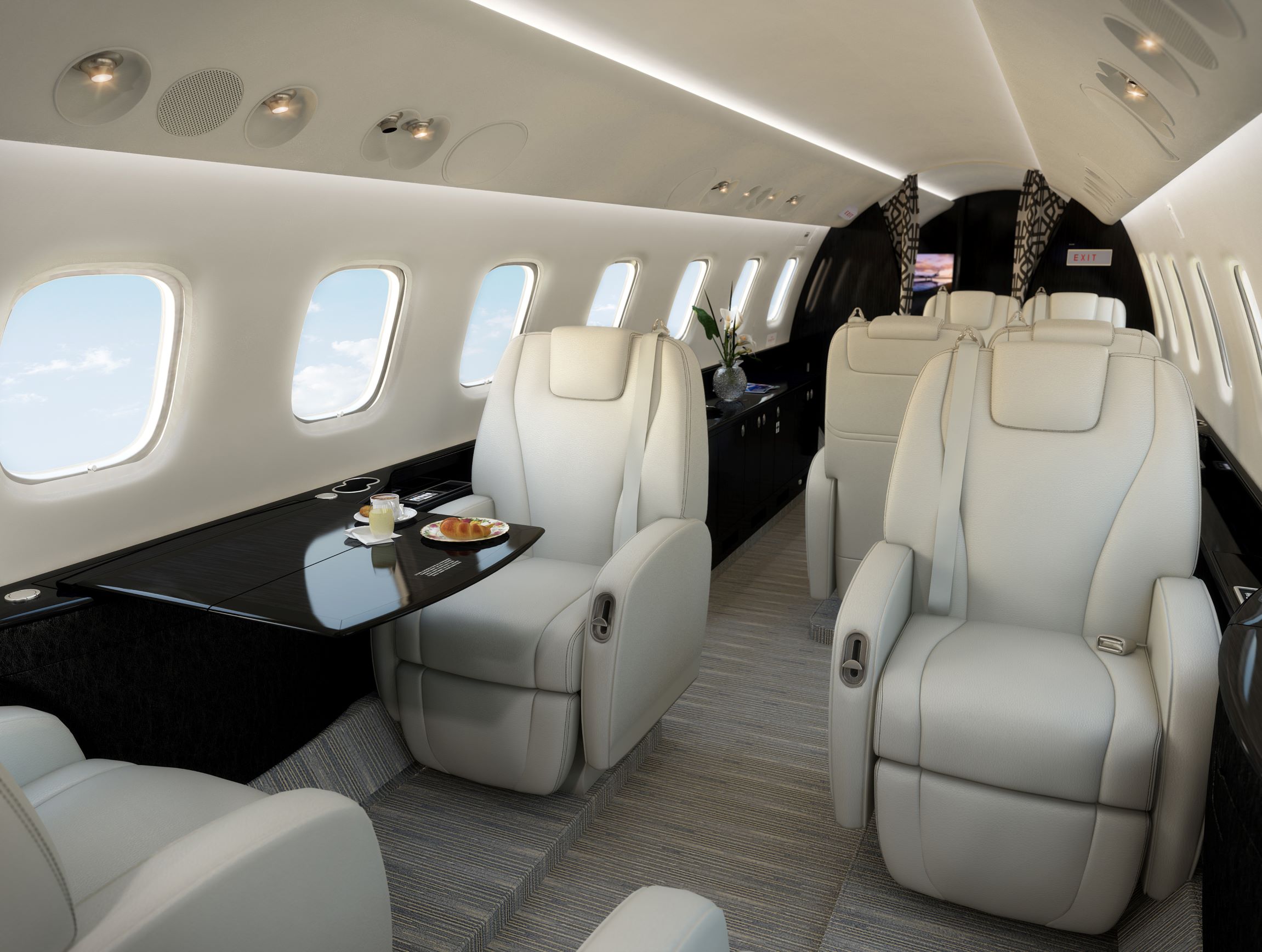
Proudly presented or rather discreetly parked in the hangar? In Europe, the owners or users of private jets usually keep a very low profile. In other regions of the world, things are different. They like to show off their new Global 6000 and proudly define themselves as high-flyers. In general, however, private aircraft have lost some of their jet-set image, which is certainly also due to the fact that more and more global companies are relocating their headquarters away from the major airport hubs and are therefore dependent on their own jets. As a result, the airplane is quickly becoming a normal means of transport that is simply used to get from A to B quickly.
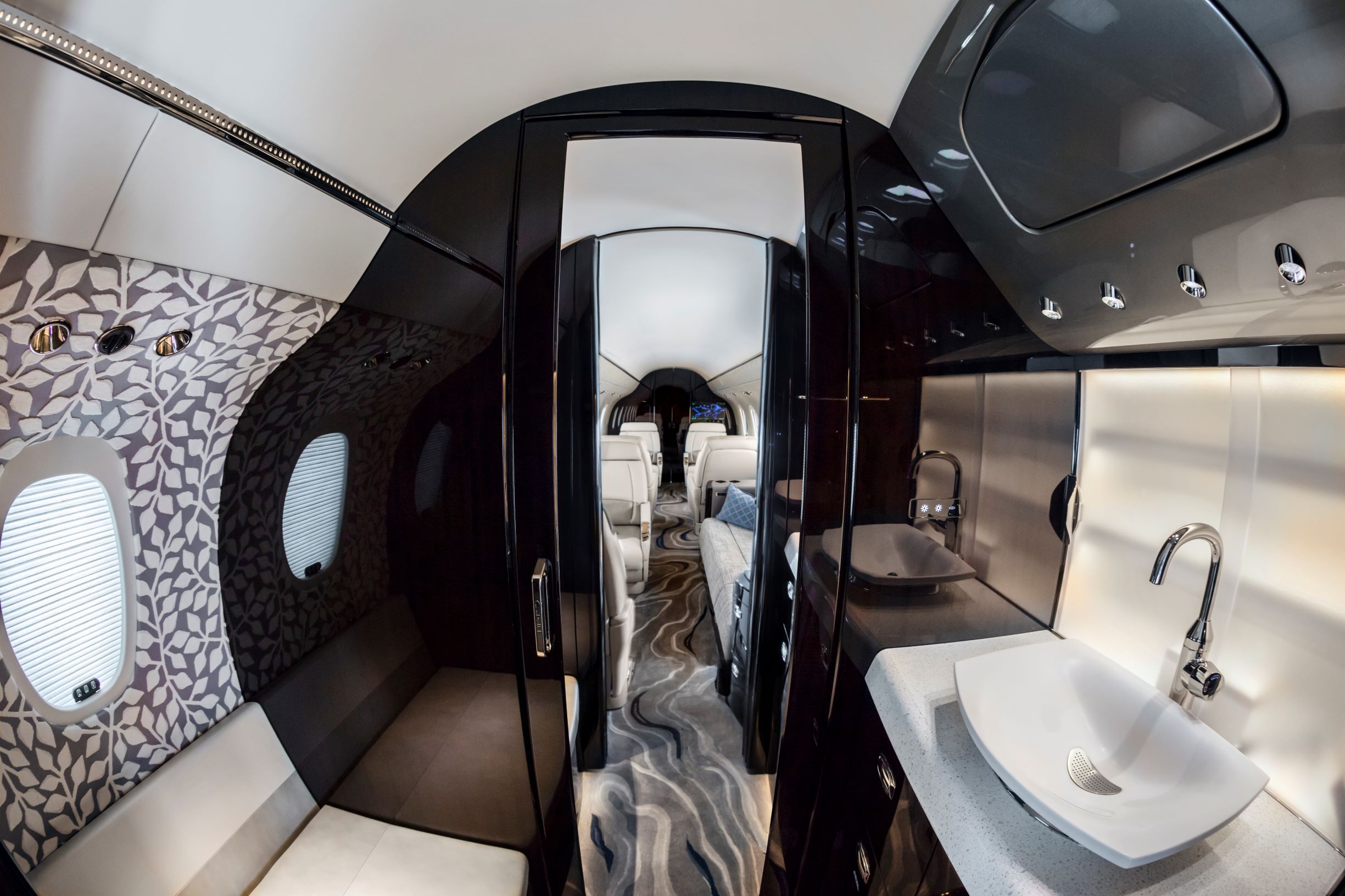
And another trend is emerging: so-called bizliners, i.e. commercial aircraft that are converted into private jets, are becoming less important. The cost is extremely high, and the flagships from Gulfstream or Bombardier already offer every conceivable comfort - including beds, bathrooms with showers and many other customization options. In addition, new jets such as the Global 7500 or G700 fly further, faster and higher. At an altitude of 45,000 feet and above, there is "no" traffic. And a range of more than 14,000 kilometers speaks for itself.
MORE INFO ON PRIVATE JETS
Last year, 154 used private jets with an estimated total value of 1.01 billion US dollars were purchased in Europe. The average price per used jet was $6.54 million, proving that prices remained fairly stable as demand remained strong even during the crisis. In January 2021, for example, the number of business aviation flights worldwide decreased by only 9.1% compared to the same month in 2020. An analysis by Colibri Aircraft shows that Germany sold the most used business jets in 2020 - 32 private jets worth an estimated 127 million US dollars ... The second largest market was the UK, where 14 private jets worth 118.2 million US dollars changed hands. Malta followed in third place with 16 used business jets and a market value of 112.1 million US dollars. The European private jet market has certainly held up well during the coronavirus crisis. This is also supported by the fact that there were only 22.8% fewer flight movements in 2020 than in 2019, with 41,154 departures.







![[Translate to en:] AMADEUS Riva (c) Lüftner Cruises](/fileadmin/_processed_/d/e/csm_AMADEUS_Riva_ebdf4c2c55.jpg "[Translate to en:] AMADEUS Riva (c) Lüftner Cruises")



















































![[Translate to en:] AMADEUS Riva (c) Lüftner Cruises](/fileadmin/_processed_/d/e/csm_AMADEUS_Riva_64c1995e26.jpg "[Translate to en:] AMADEUS Riva (c) Lüftner Cruises")