


Food Trends
Pleasure for the palate and body
10/22/2021 Reading time: 3 Minutes
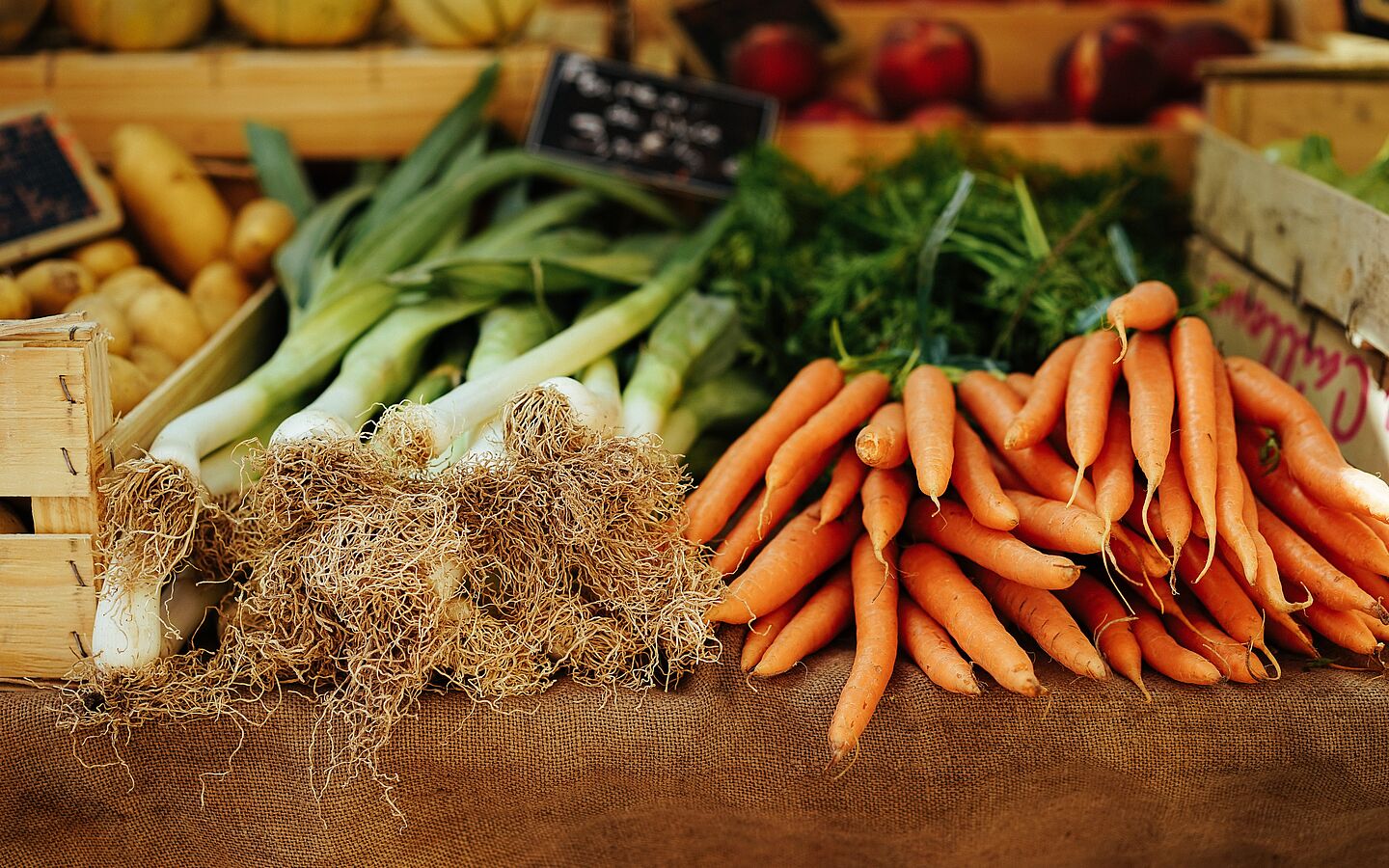
There are few things that unite people and cultures as much as food. Interestingly, however, there is hardly any other topic that has become increasingly important and popular in recent years, even among travelers. More and more food trends are emerging, and some have even come to stay. What they all have in common is that they are no longer just about indulgence. Modern food concepts should nourish the body, nourish the mind and at the same time have a positive impact on the environment. Just like these five food trends:Vegan
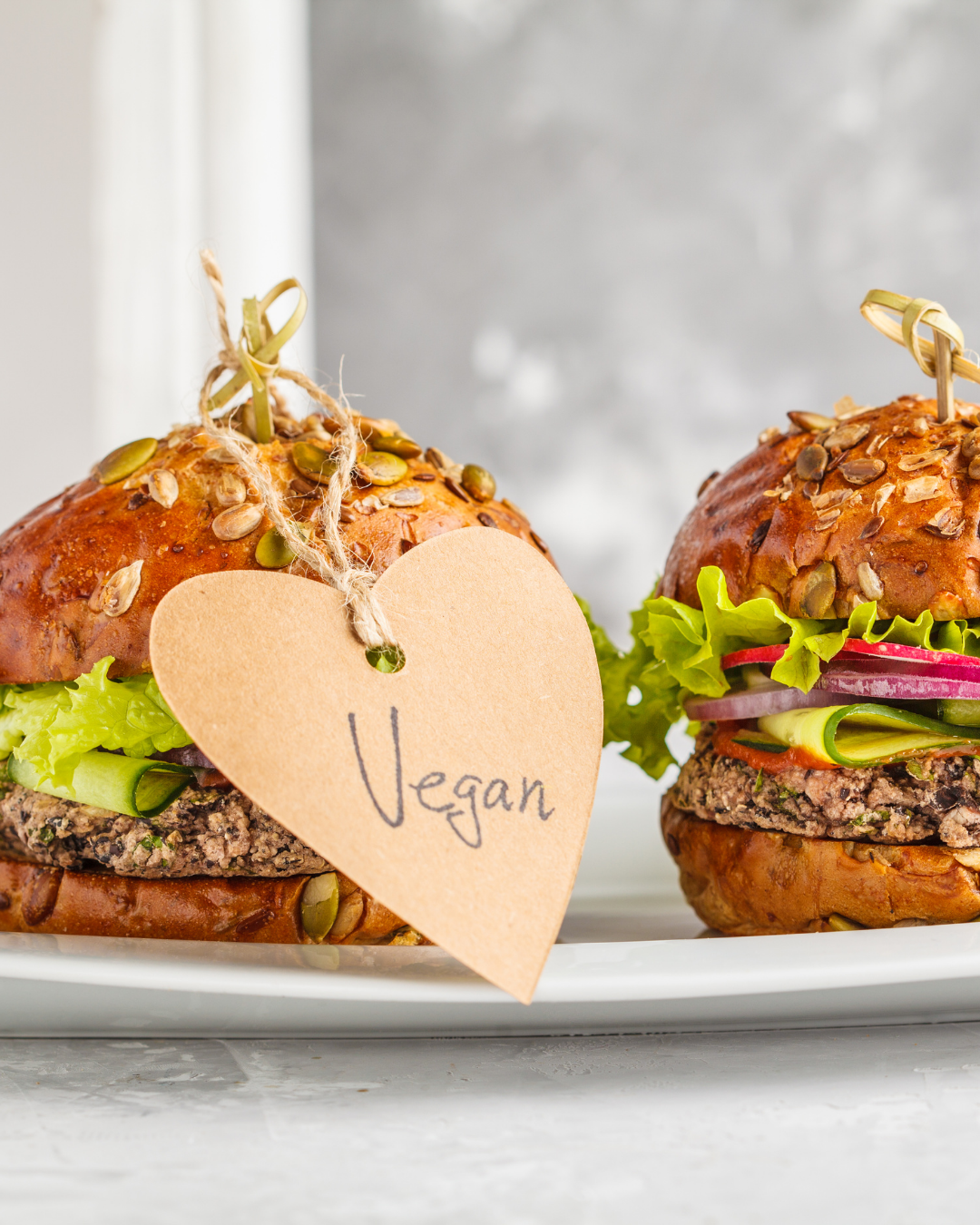
Word has long since gotten around that vegans no longer just have to nibble on carrots. Hardly any self-respecting restaurant or hotel does not offer vegan alternatives. This is not only good for the environment and avoids animal suffering. Many people who eat a vegan diet also report increased performance, more stamina and fewer illnesses. At the 5* Falkensteiner Resort Stegersbach, for example, November is all about plant-based nutrition. But 100% vegan hotels go even further. They do not use leather as decoration, the pillows are filled with hollow fiber instead of down and the spa also offers nothing but vegan-friendly cosmetic brands. An example of this can be found in London. The Hilton Bankside offers a completely vegan hotel suite. Veganuary has already become a tradition for many people: they eat vegan for 30 days, at least in January.
Macrobiotic diet
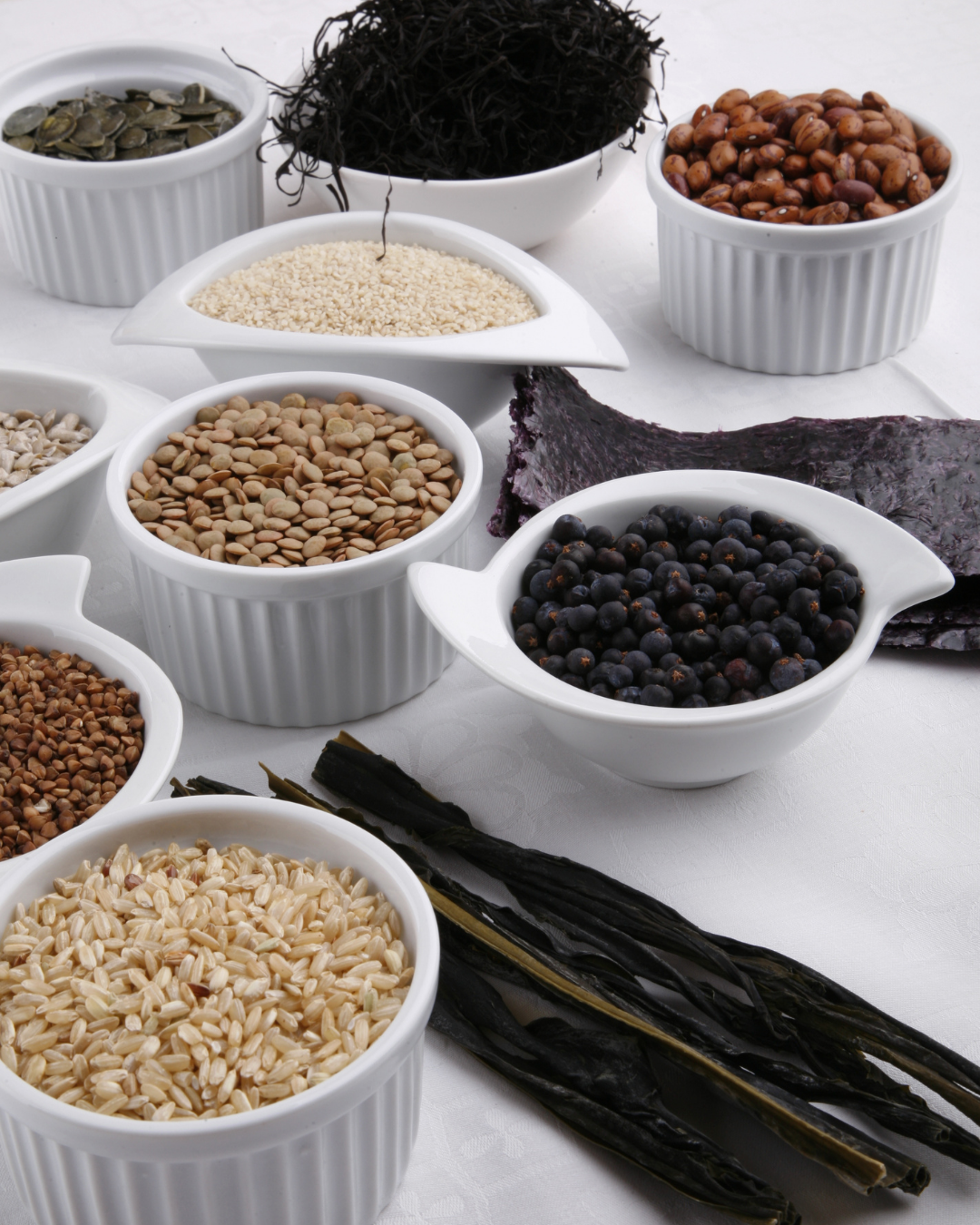
Whole grains, lots of vegetables, pulses, nuts and fruit are on the menu of people who follow a macrobiotic diet. Meat, fish and dairy products are - depending on the current - not completely eliminated, but significantly reduced. Food should be eaten whole and natural. Only what is currently in season and freshly harvested from local producers is served. Macrobiotic nutrition often has to do with spiritual principles and has its origins in Japan. Macrobiotic cuisine is one of the cornerstones of the Sha Wellness Clinic.
Food upcycling
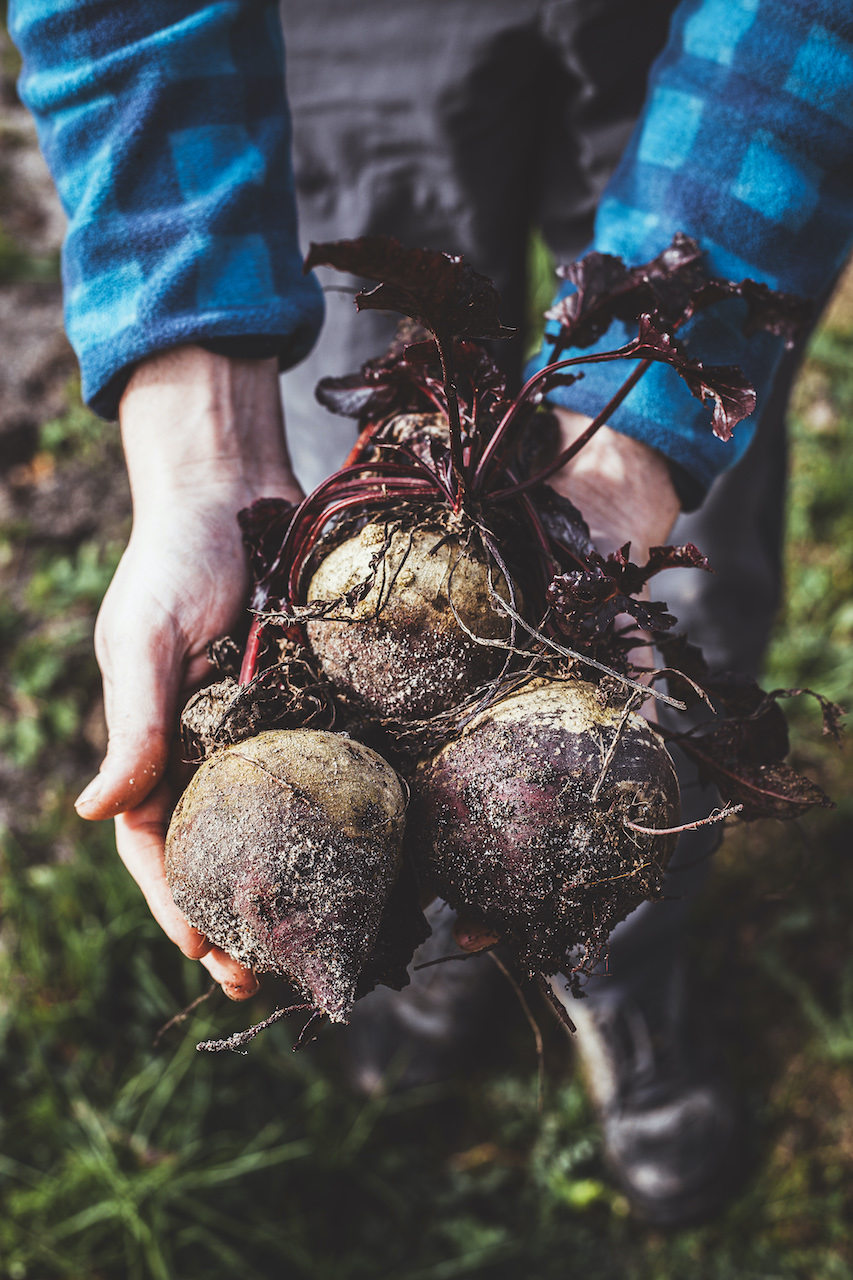
Food upcycling is motivated more by the idea of sustainability than by health considerations. It involves using leftover food that would otherwise have ended up in the bin or compost. In the upcycling kitchen, green carrot stalks and the like are combined with nuts or seeds, parmesan and oil to make pesto. Pumpkin seeds are roasted and turned into snacks, fruit peelings are turned into jams, infused water and teas. The Upcycling Cafe in Saint-Séverin/France offers particularly delicious zero-waste creations.
Farm to table
The shortest possible supply chains are the principle behind "farm to table" concepts like the one at Borgo Santo Pietro in Siena, Italy. The advantages are obvious: all ingredients are fresh and the environment is not burdened by transportation. Borgo Santo Pietro has even been awarded a Michelin star for its philosophy. Another good tip are the member establishments of "The Living Circle", the Six Senses Douro Valley in Portugal and the Castello del Sole in Ascona, Switzerland.
Slow Food
The term "slow food" stands for conscious, enjoyable and regional eating. It was coined by the organization of the same name. It sees itself as a movement that opposes fast food. The philosophy originated in Italy and aims to protect regional cuisine with local plant and animal products and their local production. The organization's website provides a wealth of information as well as addresses and regions that are committed to Slow Food.
Text: Claudia Hilmbauer







![[Translate to en:] AMADEUS Riva (c) Lüftner Cruises](/fileadmin/_processed_/d/e/csm_AMADEUS_Riva_ebdf4c2c55.jpg "[Translate to en:] AMADEUS Riva (c) Lüftner Cruises")















































![[Translate to en:] AMADEUS Riva (c) Lüftner Cruises](/fileadmin/_processed_/d/e/csm_AMADEUS_Riva_64c1995e26.jpg "[Translate to en:] AMADEUS Riva (c) Lüftner Cruises")