


The 5 most extravagant hotels in the world
Luxury where and how you wouldn't expect it
02/02/2022 Reading time: 4 Minutes
Sometimes a standard hotel just won't do, no matter how luxurious it is. Then we long for something new, something unique and something a little more memorable than an everyday suite or hotel room. Unusual times call for unusual hotels. From the whimsical to the downright crazy, here's a selection of the most unique accommodations around the world, featuring the best spaceship treehouses, ice suites, underwater hotels and salt igloos!Icehotel Sweden
Every year, when winter arrives, the pristine waters of the Torne River slow down and freeze into ice. On a cold day in 1989, the very first ice hotel was sculpted by hand from these massive blocks of ice taken from this very river. Today, more than three decades later, the ice hotel has become a must-see landmark in Sweden for travelers from all over the world.
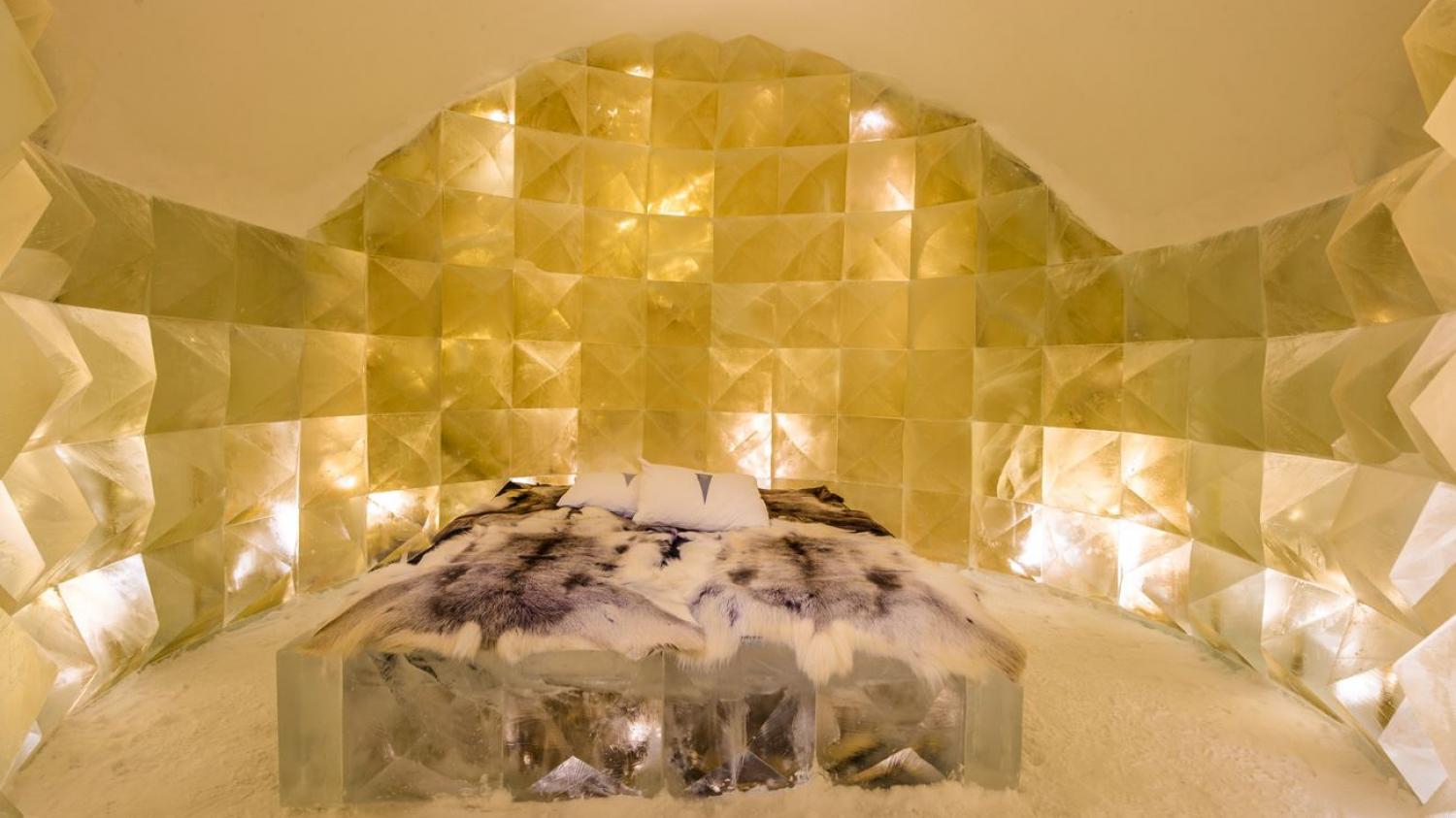
Since the construction of the first and original ice hotel, passionate artists have gathered every winter in the humble town of Jukkasjäarvi to build a new version of this Arctic wonder. When spring arrives, the hotel is melted and finds its way back to nature. Each coming winter brings forth a unique version of the ice hotel, promising a new set of treasured memories just waiting to unfold in this stunning Swedish destination.
Hotel palacio de sal
Much more than the world's first salt hotel: we are the salt palace. These words herald the arrival of the next unusual hotel
The Palacio de Sal - "Salt Palace" - on the salt flats of Uyuni in Bolivia is made entirely of salt, including most of the furniture. It has an impressive lobby, a bar and rooms with private bathrooms, central heating and electricity. The restaurant's specialty? Salt chicken, of course.
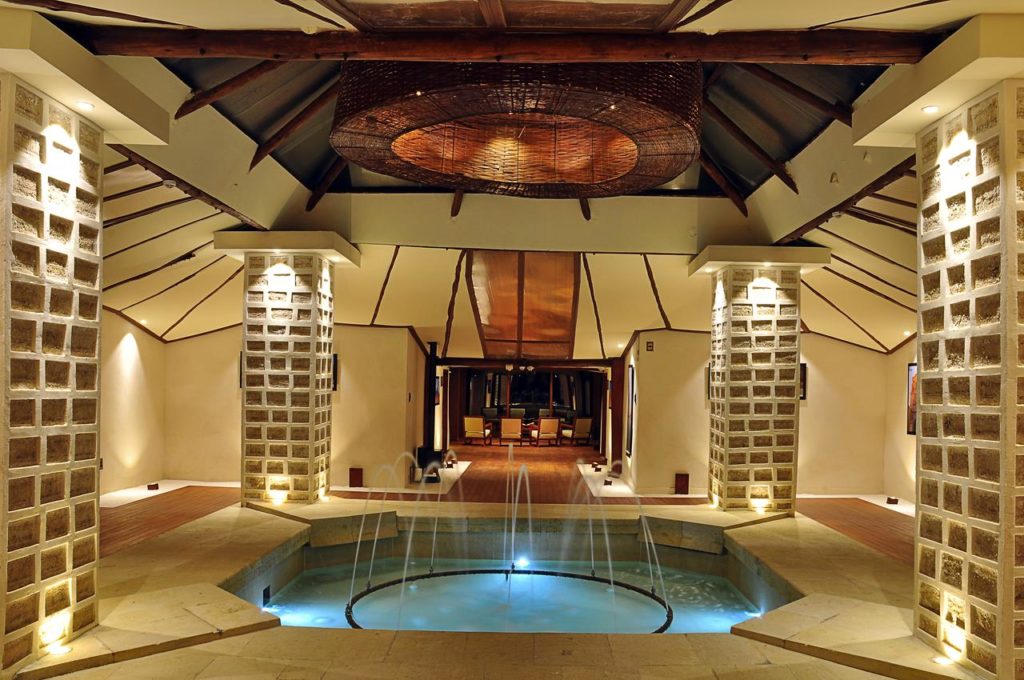
Located just over 15 miles from the town of Uyuni in southwestern Bolivia, the hotel enjoys a dramatic, remote location on the shores of the world's largest salt flats, the Salar de Uyuni. The hotel is ideally located for relaxing in the most rugged of environments and for touring the salt flats - one of Bolivia's top tourist attractions.
Longitude 131
Fancy trying something a little wilder?
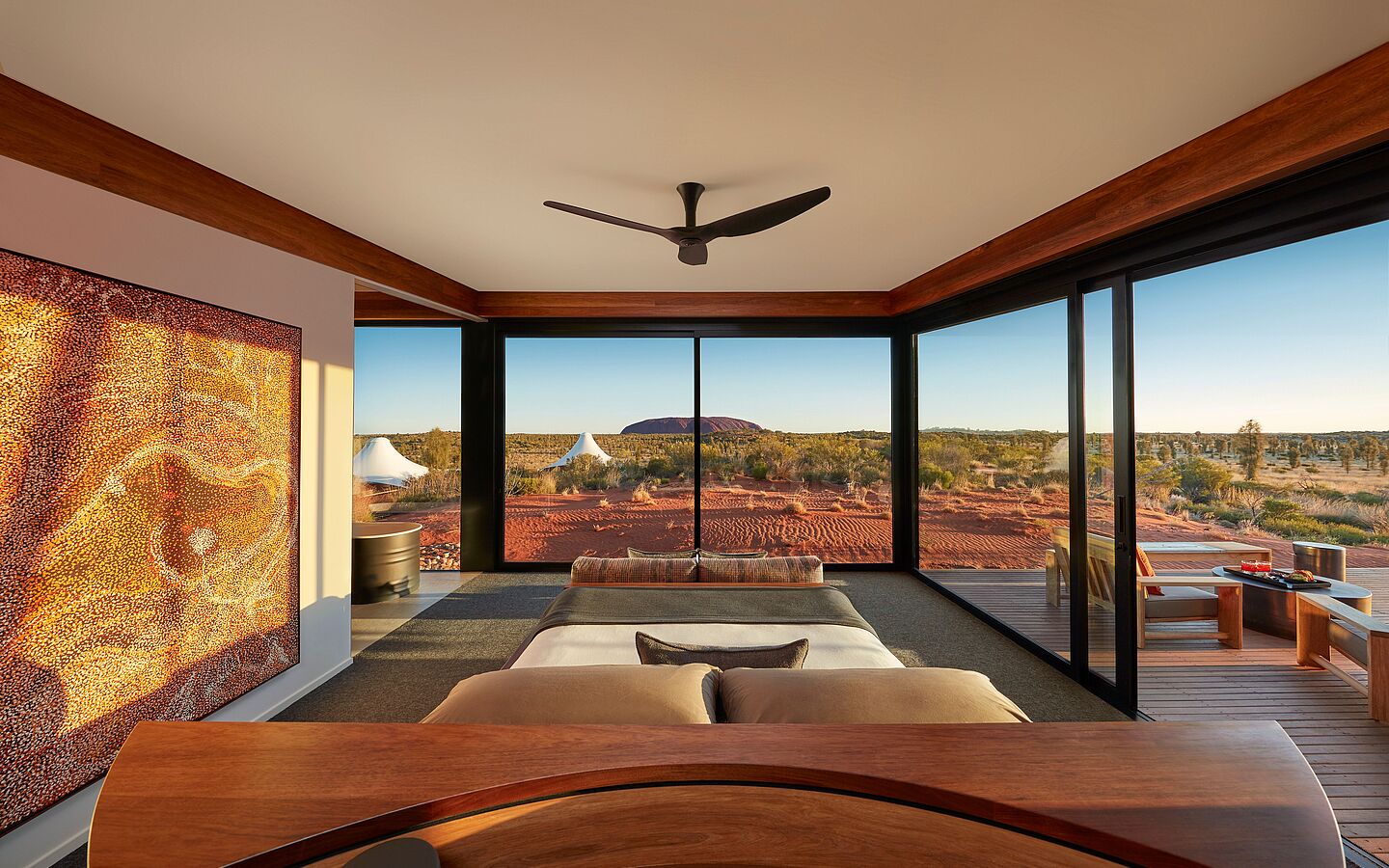
Longitude 131° is the ultimate luxury basecamp from which to explore the natural and cultural landscapes of Uluru and Kata Tjuta. Guests at Longitude 131° embark on a signature Australian outback itinerary with guided adventures that allow for personalized discovery of the Red Centre's iconic natural attractions and Aboriginal heritage.
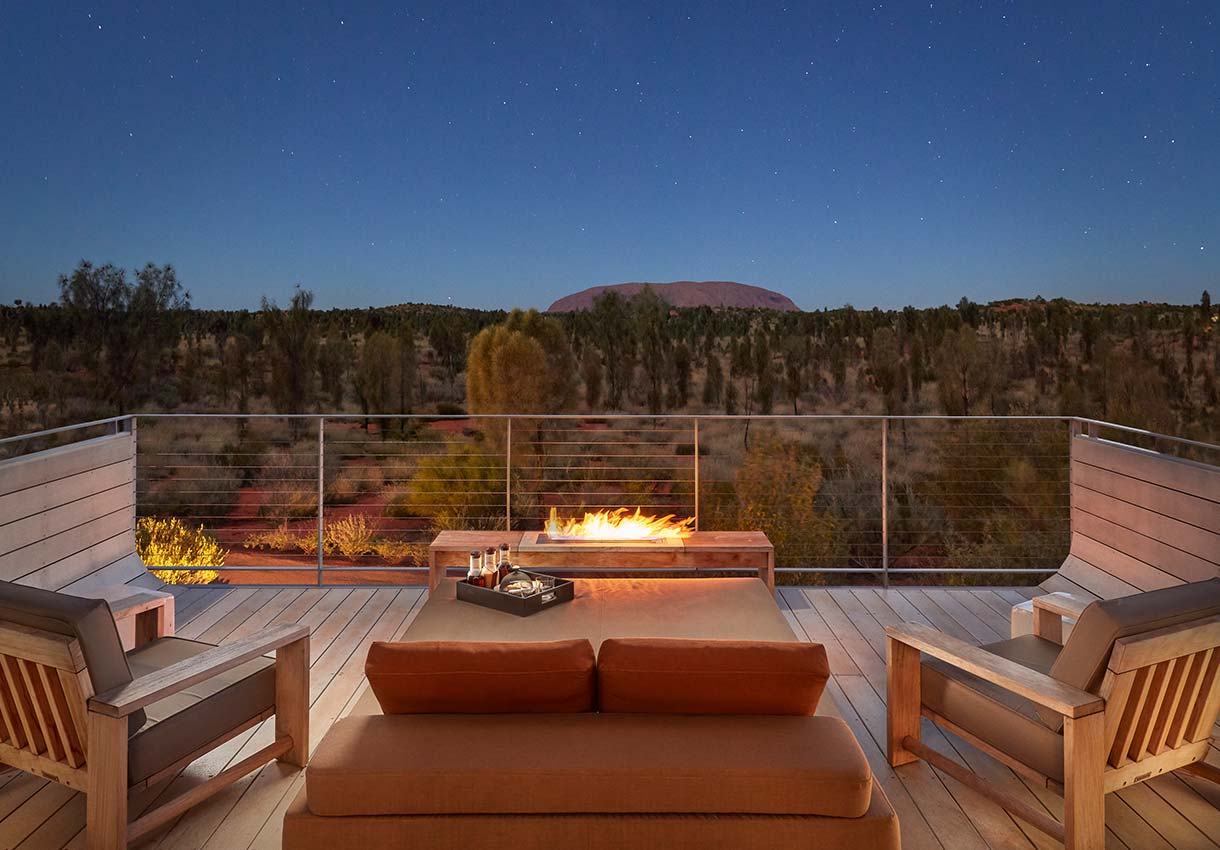
Longitude 131° works with several Aboriginal art communities to source the vibrant local artworks that guests can admire around the lodge - from ceramics to painted canvases, spears and weavings. The lodge has a special partnership with Ernabella Arts in the Anangu Pitjantjatjara Yankunytjatjara Lands, whose artists regularly paint against the backdrop of Uluru. Read more about our collaboration with local artists.
Whitepod
Since its inception in 2004, Whitepod has set out to prove that hospitality and environmental protection can coexist to create a unique and positive experience. The consumption of energy and water is controlled. Waste is recycled. Ingredients are bought locally. Staff live nearby and simply walk to work. Motorized transportation is limited.
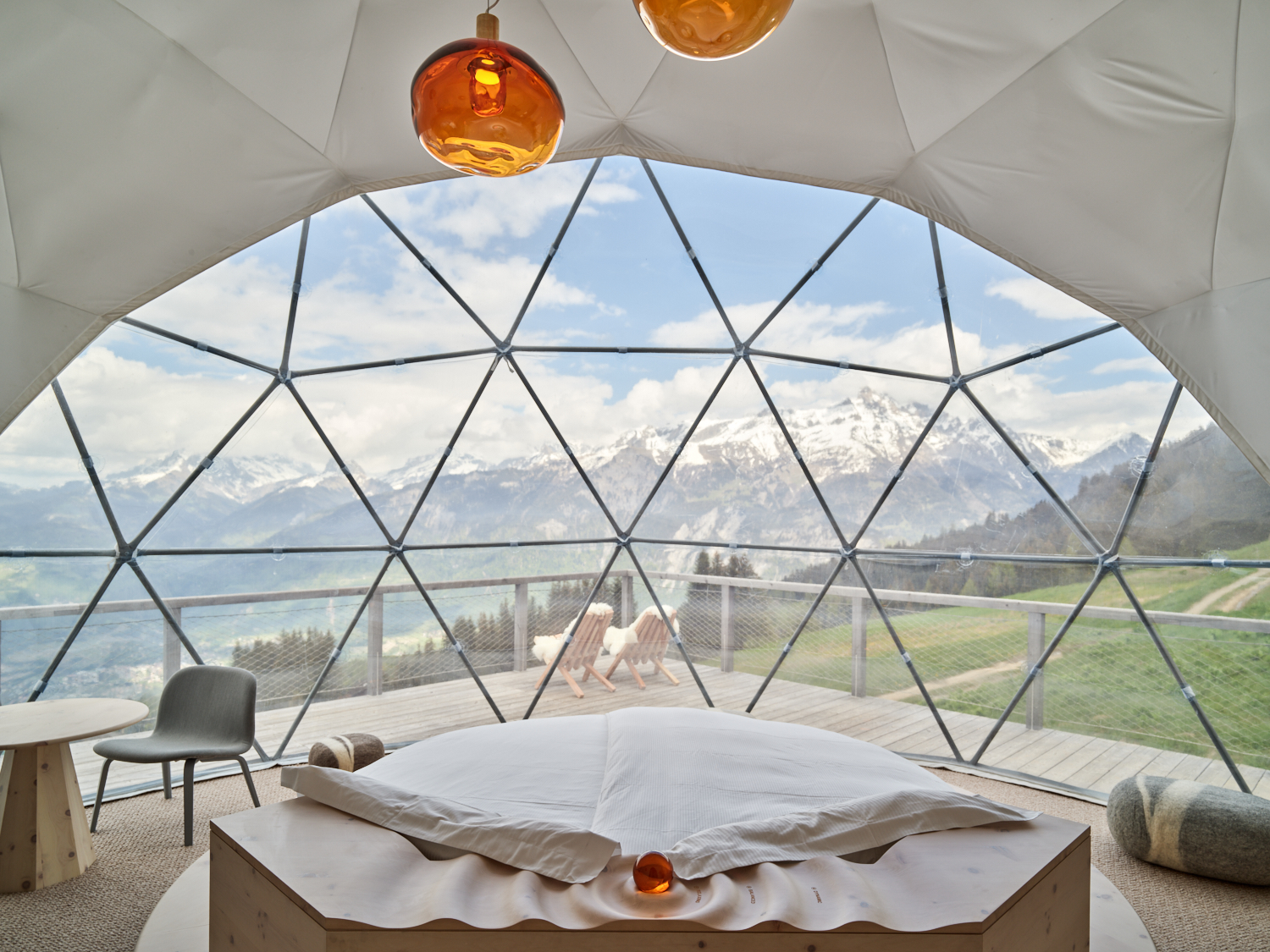
Pioneering concept with architecturally exciting high-tech tents, so-called pods, which rest individually on wooden platforms. In the midst of nature, at 1400 meters above sea level in a magnificent panoramic location, unobstructed views of Lake Geneva and the surrounding mountains. Each pod is luxuriously equipped with a pellet stove and all the comforts you need. The ecologically managed resort includes 25 km of marked hiking trails, two chalets, restaurant, bar and Finnish sauna. You can benefit from many activities on site in summer and winter.
By choosing Whitepod, you can play an active role in this ecological mission.
Anthenea
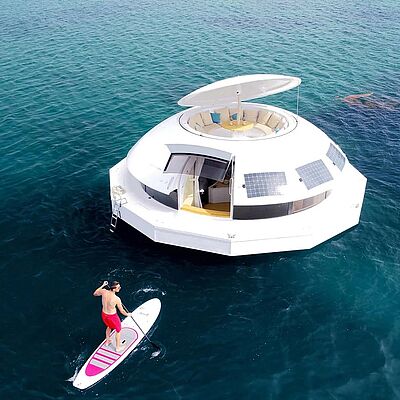
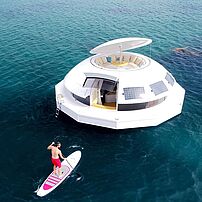
Anthenea opens a window to the underwater world and offers a magical habitat that invites you to experience timeless moments in perfect harmony with nature.
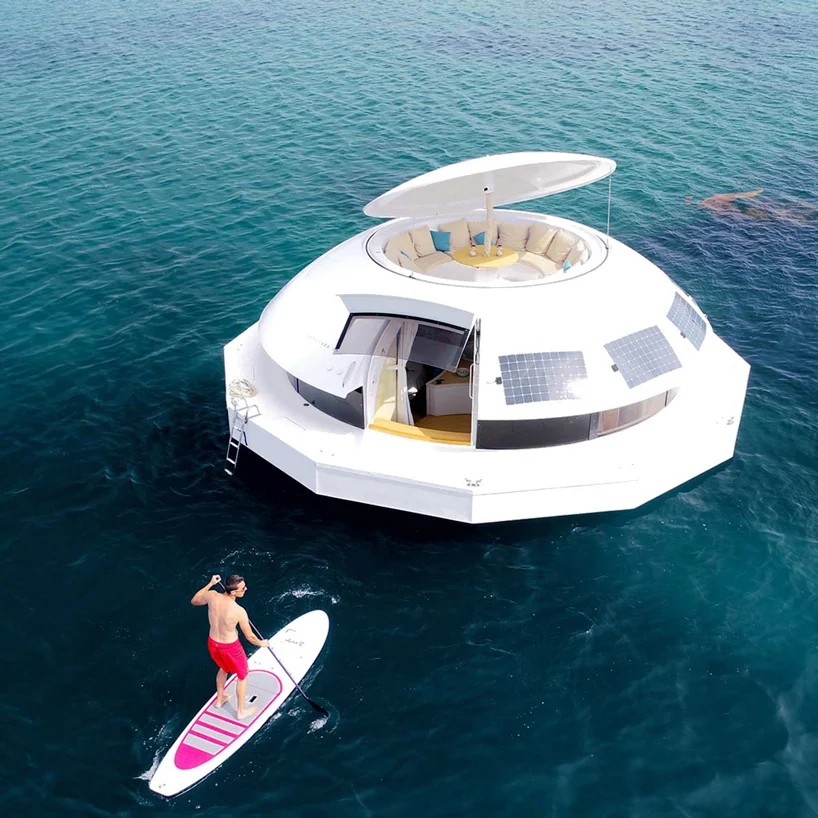
This incredible project began with the dream of Jean-Michel Ducancelle, naval architect, who was directly inspired by James Bond's floating capsule in "The Spy Who Loved Me" (1977).
For 25 years, Jean-Michel has been thinking about how humans can inhabit the earth. He is passionate about the idea that the habitat of tomorrow should be at the heart of the natural environment to enable everyone to live in an immersive marine and underwater world. He sees a way to conceive of the future differently, with a solution to the increasingly limited availability of buildings on the coast and a new look at the floating habitat.
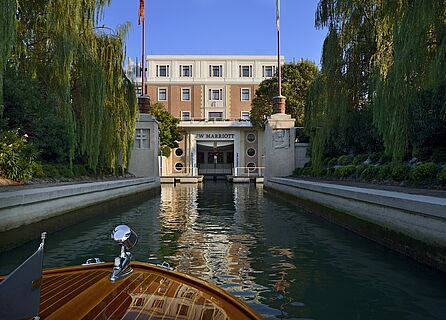



![[Translate to en:] AMADEUS Riva (c) Lüftner Cruises](/fileadmin/_processed_/d/e/csm_AMADEUS_Riva_ebdf4c2c55.jpg "[Translate to en:] AMADEUS Riva (c) Lüftner Cruises")








































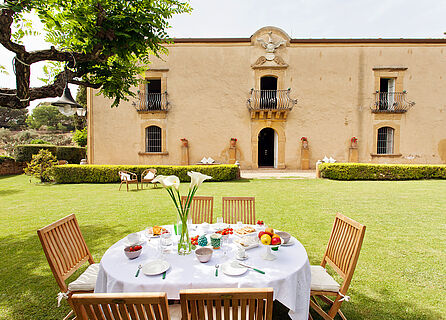
![[Translate to en:] AMADEUS Riva (c) Lüftner Cruises](/fileadmin/_processed_/d/e/csm_AMADEUS_Riva_64c1995e26.jpg "[Translate to en:] AMADEUS Riva (c) Lüftner Cruises")