


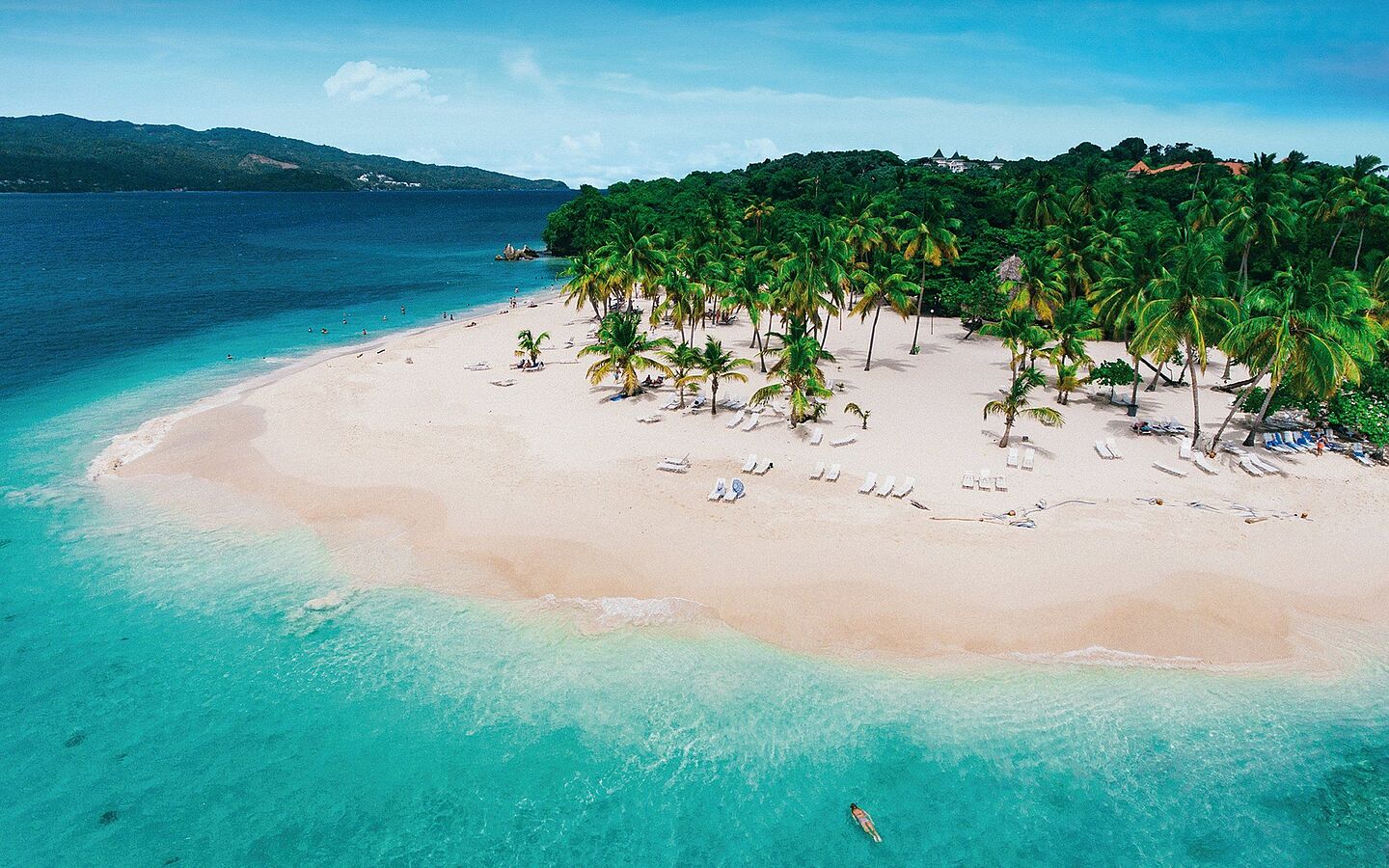
AHOI!
These are the 5 most beautiful moorings in the Dominican Republic
07/04/2022 Reading time: 3 Minutes
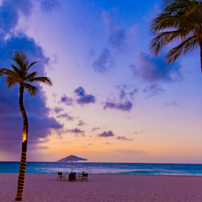
The Caribbean island offers five different cruise ports (Santo Domingo, La Romana, Puerto Plata, Samaná and Punta Cana), numerous marinas and airports for private and charter aircraft, which pave the (water) way for a paradisiacal arrival and open up beautiful stretches of coastline. Where you should definitely moor in the Dominican Republic:Port of Call Santo Domingo:
The capital Santo Domingo is the country's dance capital. On Friday and Saturday evenings throughout the year, the central Plaza de España is usually transformed into a large dance floor with folklore performances. On Sunday evenings, merengue and son cubano usually fill the ruins of the San Francisco monastery with Caribbean rhythms. Santo Domingo is also the gastronomic capital of the Caribbean. It was awarded the title in 2017 by the Ibero-American and Royal Spanish Academies of Gastronomy. Since 1990, the well-preserved and recently extensively renovated historic old town with the oldest cathedral in the Americas (foundation stone laid in 1521 and consecrated in 1540) has been a UNESCO World Heritage Site. Also worth seeing are the Faro a Colón, which was built to mark the 500th anniversary of the discovery of the island by Christopher Columbus, museums and fortresses such as the Fortaleza Ozama, which was built to keep pirates off the island and owes its name to the river Rio Ozama
Port of Call La Romana:
The area around La Romana on the Caribbean coast is one of the country's most popular travel destinations. Golfers appreciate the high-quality courses in the region. Past sugar cane fields, you can reach the white sandy beaches in Dominicus or Bayahíbe. In the forests of the Cotubanamá National Park there are freshwater springs and caves with paintings by the Taíno. On the islands of Saona, Catalina and Catalinita there are numerous turtle nesting areas in front of natural coral reefs.
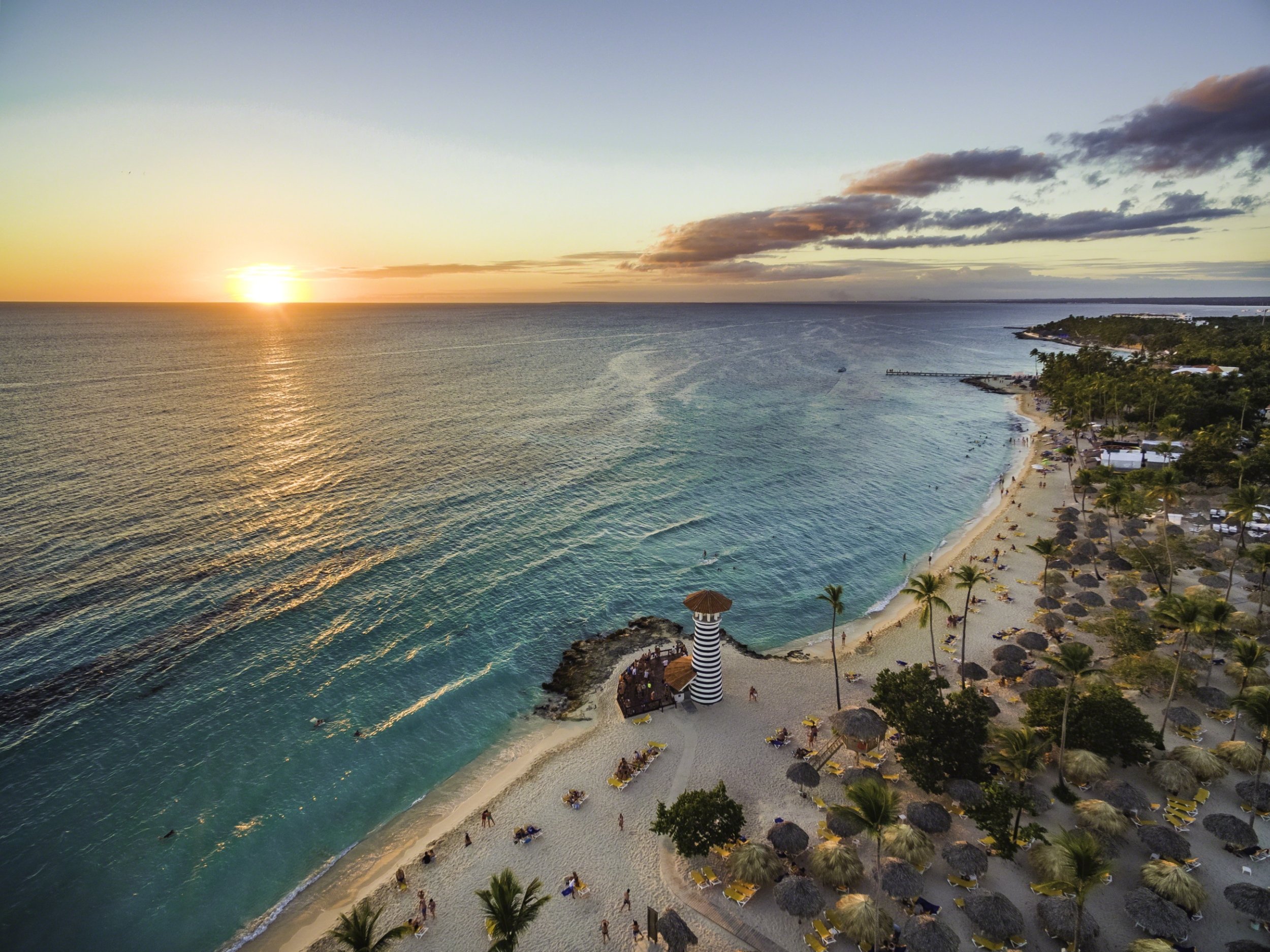
Port of Call Puerto Plata:
The province of Puerto Plata (translated: silver port) on the north coast is the cradle of tourism in the Dominican Republic and remains one of the most popular regions for visitors. And rightly so - mountains, valleys, rivers and a multitude of beaches form a particularly diverse landscape here, offering adventurous vacationers numerous experiences. Beneath the earth lies the clearest amber in the world. Cabarete is considered one of the best kitesurfing and windsurfing spots in the world. Rock formations and caves offer adventurous vacationers numerous experiences. Cocoa and coffee trees grow in the mountainous hinterland. One of the largest amber deposits in the world can be found in the ground
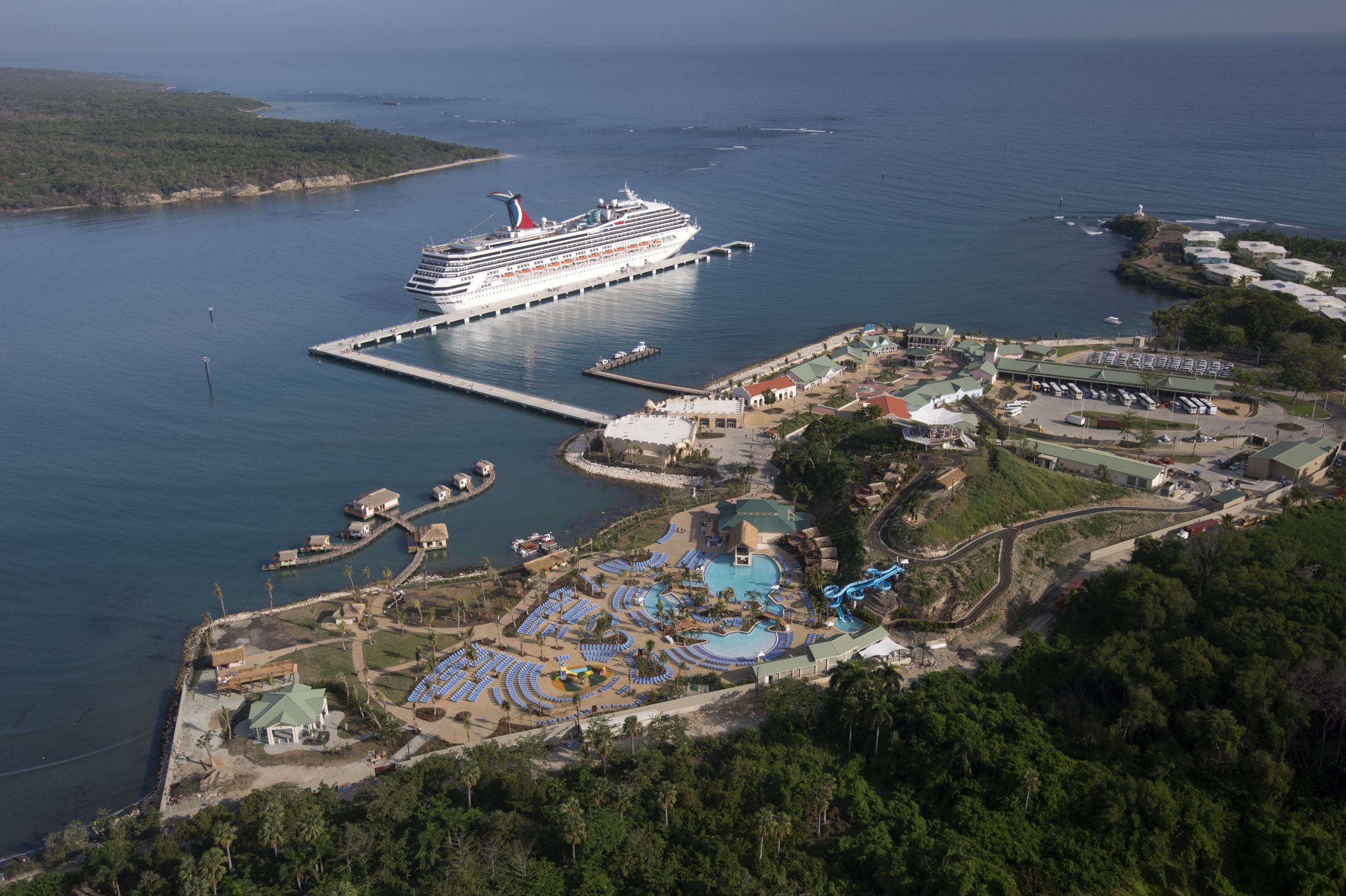
Port of Call Samana:
The Samaná peninsula is a pristine natural paradise on the north-east coast of the country. In the 16th century, pirates hid in the caves and palm forests while Europeans and Haitian troops fought over the protected bay. Even today there are still pristine beaches, coconut plantations and rainforests with waterfalls. Rivers rise in the green mountains and flow into the Atlantic on the sandy beaches along the rocky coast. Around 2,500 humpback whales come to the Bay of Samaná every spring. There is hardly any other region where sustainable tourism plays such an important role
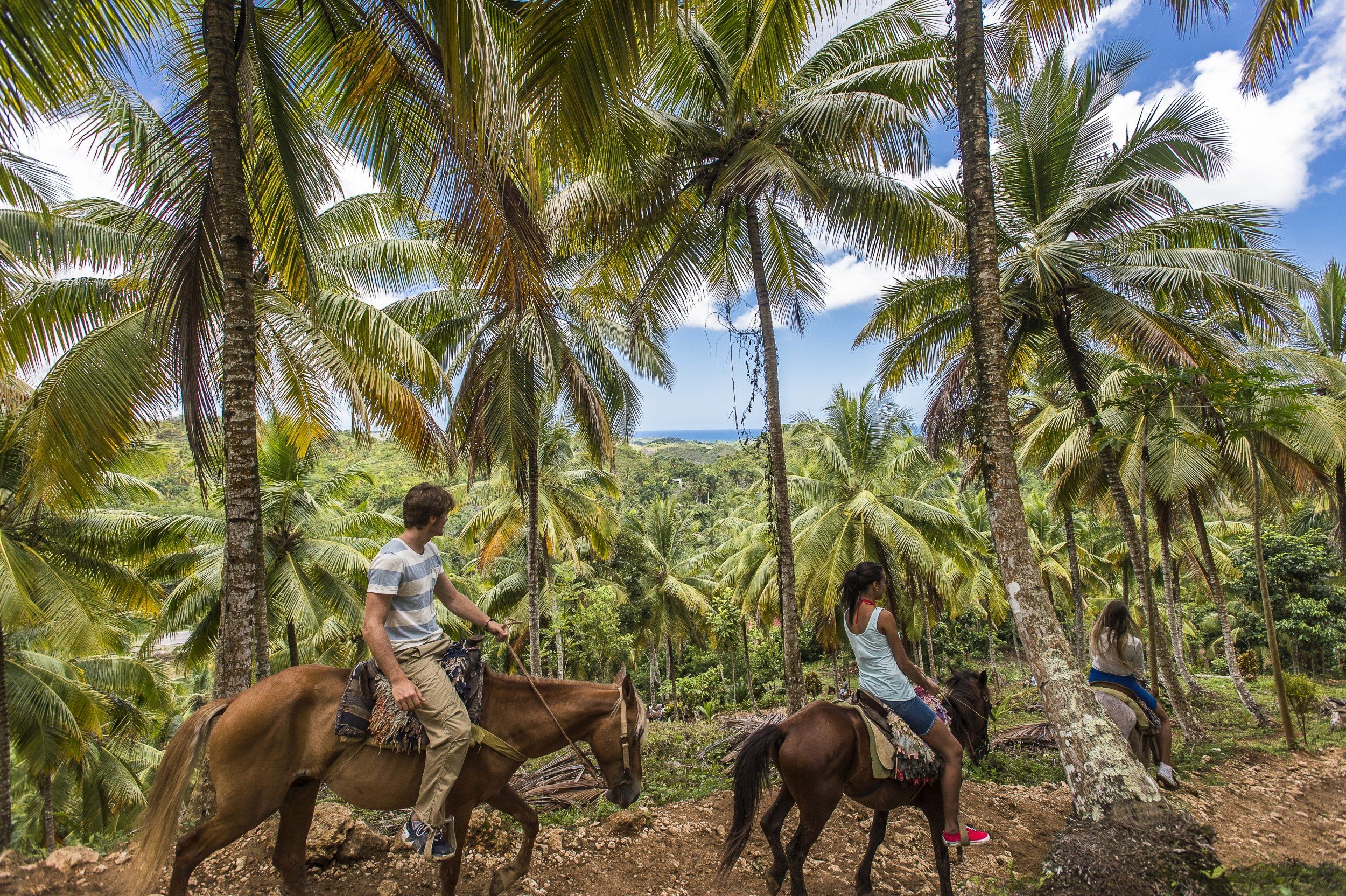
Port of Call Punta Cana:
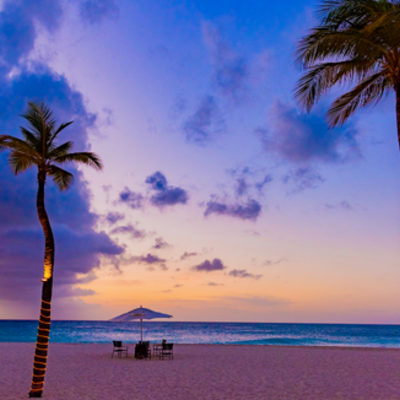
48 kilometers of beach attract tourists from all over the world to the east coast of the Dominican Republic, where the Caribbean Sea meets the Atlantic Ocean. The all-inclusive resorts and boutique hotels are located in close proximity to the beach. Golfers will find ten golf courses located directly on the coast. There are also luxurious marinas, fine restaurants and the best spas in the country, including the only Six Senses in the Caribbean.
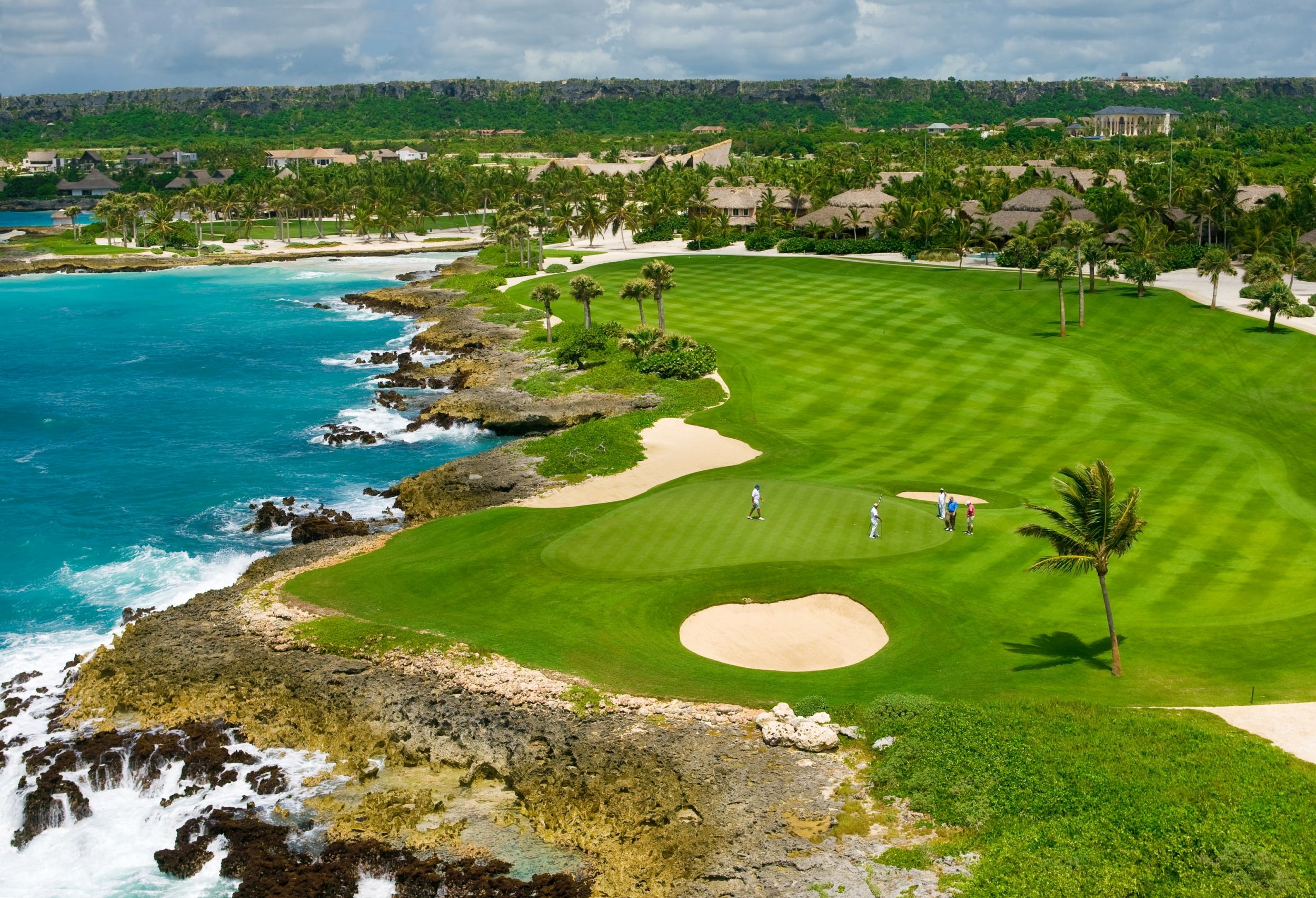
More information at www.godominicanrepublic.com/de/
[PROMOTION]




![[Translate to en:] AMADEUS Riva (c) Lüftner Cruises](/fileadmin/_processed_/d/e/csm_AMADEUS_Riva_ebdf4c2c55.jpg "[Translate to en:] AMADEUS Riva (c) Lüftner Cruises")














































![[Translate to en:] AMADEUS Riva (c) Lüftner Cruises](/fileadmin/_processed_/d/e/csm_AMADEUS_Riva_64c1995e26.jpg "[Translate to en:] AMADEUS Riva (c) Lüftner Cruises")