


JardinSuisse presents: Plant superheroes
Superfood from the home garden
05/01/2018 Reading time: 4 Minutes
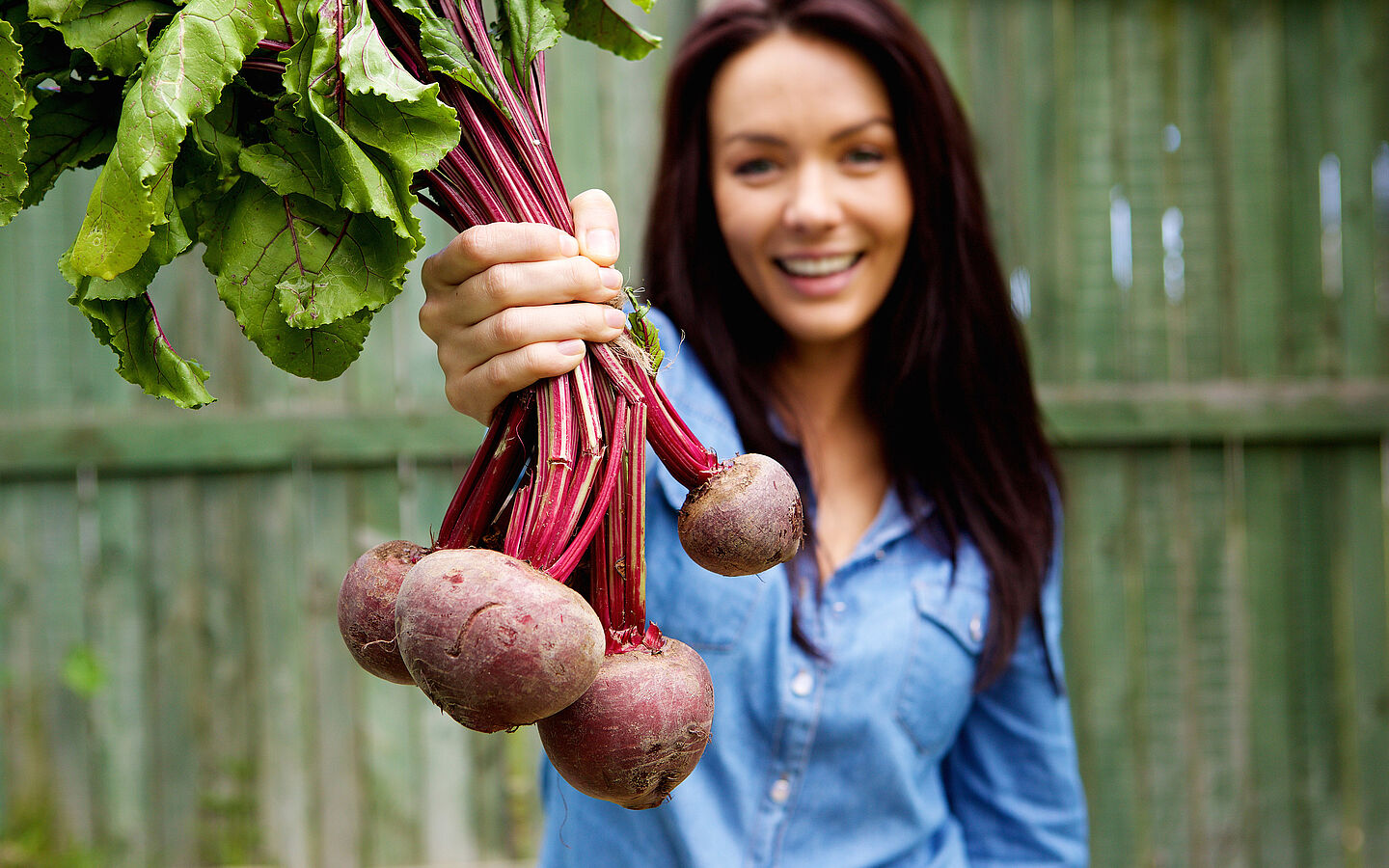
People who eat the right foods are supposed to become more beautiful, slimmer, fitter and, above all, healthier. So-called superfoods promise a great effect, often cost a lot of money and usually come from far away. Yet the vegetables and berries available from Swiss market gardens are at least as good - and have a better ecological balance. Superfood is "on everyone's lips". Foods with special properties are all the rage. They are said to help with weight loss, maintain a youthful appearance and, above all, promote health. Açai, chia or spirulina are names that sound good and you can almost hear their great effects. "What you don't know is exciting," says Beatrice Conrad Frey, BSc nutritionist, who has been working on the topic of "superfoods from the nursery" on behalf of JardinSuisse, the business association of Swiss gardeners. "If such exotic foods are then advertised as having positive effects on health, they are soon in the shopping basket. Yet we have so many healthy plants right on our doorstep." Swiss garden centers and nurseries stock a huge variety of edible plants, from A for apple to Z for onion. This is what it says on the superfood website (www.superfood-pflanzen.ch), which JardinSuisse has developed in collaboration with Beatrice Conrad Frey. It contains bite-sized morsels of information about the superpowers of fruits, vegetables and herbs from the market garden.Perhaps you have already heard of "kale",
the "cool cabbage from the USA"? In the States, it is considered an absolute trend vegetable and, of course, a superfood. However, kale is nothing more than the American name for kale (Brassica oleracea var. sabellica), also known as kale. It has plenty of bone-strengthening calcium and is actually the vegetable richest in calcium. Just 100 grams of raw kale contains the same amount of calcium as two deciliters of milk. This typical winter vegetable not only withstands frost down to -15 degrees without any problems, but is even tastier as a result.
The "potassium bomb" parsley (Petroselinum crispum)
contains a lot of apiol, an essential oil that has a diuretic effect and is therefore used to treat urinary tract infections. Parsley is also rich in vitamin C. The herb is therefore far too good to be used only as a decoration.
The vitamin C contained in bush and runner beans
(Phaseolus vulgaris) and peas (Pisum sativum) have a similar effect in the body to the hormone oestrogen, which is effective against menopausal symptoms and osteoporosis. These hormone-like plant substances also have a positive effect on blood lipid levels and therefore the cardiovascular system.
Blueberries (Vaccinium corymbosum)
are a popular household remedy for diarrhea. Soluble dietary fibers, known as pectin, are responsible for this effect. The popular blueberries are also rich in vitamin C, which helps with iron absorption and strengthens the immune system.
The Andean berry (Physalis peruviana)
is an often disdained garnish on the dessert plate. However, the sweet and sour tasting physalis berry is a healthy vitamin bomb. Rich in vitamin C, beta-carotene and vitamin A, it supports the eyesight as well as the nervous and immune systems.
Another miracle ingredient is oregano
(Origanum vulgare). This tart, aromatic herb is particularly popular in Mediterranean cuisine. It mainly contains carvacrol, an essential oil that has an analgesic and antibiotic effect. Oregano is often used to treat ear or respiratory infections.
What could be better for your health
than food straight from the garden or balcony? If you pick and process fruit or vegetables fresh, they are healthier than those from the supermarket, as the vitamins they contain degrade quickly during storage or unrefrigerated transportation. In addition, the vitamin content is only at its highest when the fruit is really ripe. However, many plant-based foods are harvested before they are optimally ripe so that they are still "fresh" when they arrive in Switzerland. Imported superfoods are also often treated with pesticides. The connection between people and the environment also plays a role when it comes to food, emphasizes nutritionist Beatrice Conrad Frey: "We can't stay healthy if we harm the environment with our behaviour."
In the superfood campaign by JardinSuisse,
the business association of Swiss gardeners, involves nurseries and garden centers from all over Switzerland. The aim is to make customers aware that superfood also grows here and doesn't have to come from far away. On superfood-pflanzen.ch you can find the participating specialist stores, which come from all regions of Switzerland. The gardener knows what the plants need in the garden or balcony box and how they thrive best. For all those who would like to harvest their own superfood soon.
www.superfood-pflanzen.ch









![[Translate to en:] AMADEUS Riva (c) Lüftner Cruises](/fileadmin/_processed_/d/e/csm_AMADEUS_Riva_ebdf4c2c55.jpg "[Translate to en:] AMADEUS Riva (c) Lüftner Cruises")





















































![[Translate to en:] AMADEUS Riva (c) Lüftner Cruises](/fileadmin/_processed_/d/e/csm_AMADEUS_Riva_64c1995e26.jpg "[Translate to en:] AMADEUS Riva (c) Lüftner Cruises")