


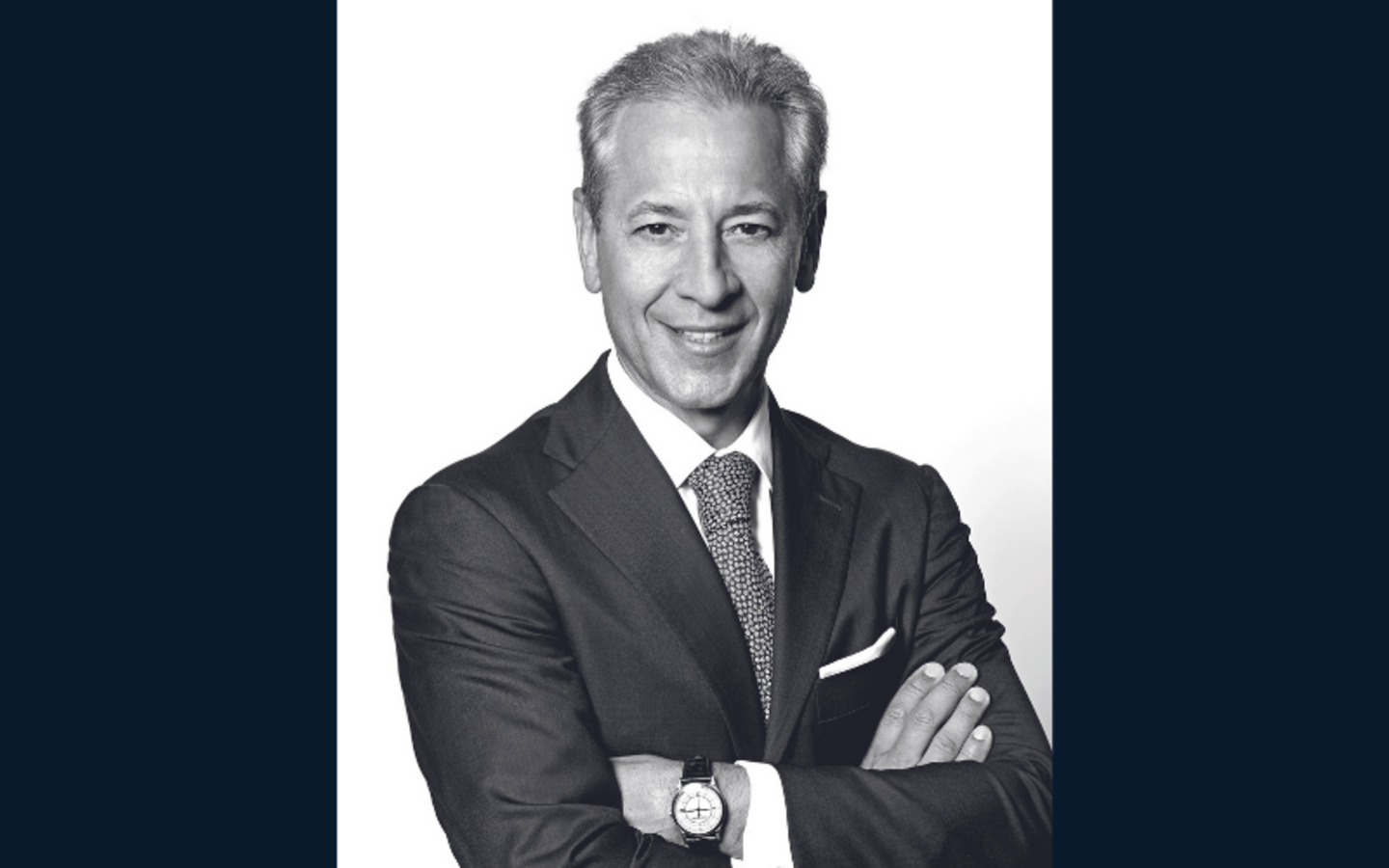
Interview with Jose Silva
We want to offer pure luxury
11/11/2021 Reading time: 9 Minutes
The Jumeirah Hotels & Resorts portfolio now comprises 24 hotels & resorts, 13 in the United Arab Emirates and 11 in the GCC countries, Europe and Asia. CEO José Silva spoke to CC Editor-in-Chief Simone Dressler about the challenges of the pandemic, the principle of sustainability, global expansion and how he wants to position the Jumeirah brand as one of the world's leading luxury hotel groups.Mr. Silva, it looks like the travel world - especially in the luxury sector - is slowly recovering from the pandemic. What were the biggest challenges?
José Silva: We were generally in a privileged position. We took a few measures right from the start. First of all, we recalibrated our operating processes and costs. The global pandemic was the biggest upheaval the global travel industry has ever experienced. The occupancy rates of many hotels that were still open worldwide fell into the single digits, and as the end of the crisis was only foreseeable to a limited extent, companies had to flexibly adapt their offering and their business model in order to adapt to the current situation.
business model in order to adapt to the new situation.
How exactly were the business models adapted?
We focused a lot on the health aspects, i.e. hygiene, safety and security. And in fact, Jumeirah Al Naseem in Dubai was the first hotel in the world to be certified as Covid-safe by the inspection and classification company Bureau Veritas. We did not seek this certification, but instead instinctively took the measures that are necessary during a pandemic. As you remember, people had a lot of fears a year and a half ago. So it was a big step for our guests to go straight to a hotel restaurant after the lockdown. At the same time, we made the decision that we wanted to continue investing and developing the company despite all the challenges, and we already knew that the virus would not go away so quickly. That's why I decided that we had to remain proactive.
What exactly has the Jumeirah Group done to be proactive?
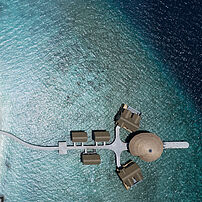
First of all, we continued with our existing investments. In London, we committed to the complete refurbishment of the Carlton Tower Jumeirah in Knightsbridge. We also wanted to make one or two acquisitions. One of these involved a resort in the Maldives. In the fourth quarter of 2020, when flight corridors between some countries reopened, we took the opportunity to fast-track our investment plans and secure a property in the Maldives, a destination that remains one of the most popular in the world and has proven to be very resilient during the pandemic. This is partly due to the isolated location of the islands, but also due to the assertiveness of the government in enforcing health and safety measures early on. Last month, we finally announced the acquisition of the hotel in the Maldives.
The hotel was managed by Lux* Hotel Group prior to its acquisition by Jumeirah?
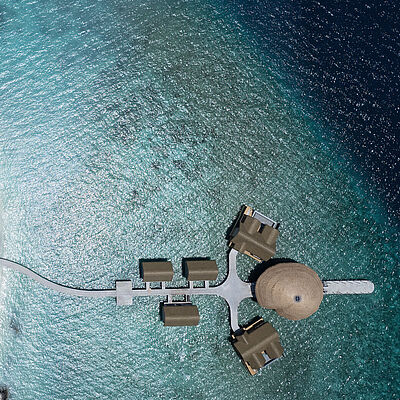
Yes, that's right. The resort island has an excellent location and can be reached by speedboat from the airport in just 60 minutes. It's not easy to find something like this in the Maldives these days. It has been open to guests as Jumeirah Maldives Olhahali Island since October 1. Unfortunately, the island did not yet have what I call "the special experience moment". To create even more extraordinary experiences, we have established two of our award-winning restaurant concepts here: Kayto with its Nikkei cuisine and Shimmers, our popular Greek restaurant concept: introducing this signature dining internationally for the first time at Jumeirah Maldives.
Generally speaking: How well have Jumeirah Hotels and Resorts in Dubai and other destinations come through the pandemic?
I think Dubai has come through the crisis very well because the government has had a very sustainable approach to managing the pandemic. The measures were not very liberal at the beginning, but rather strict, and this has worked better than the "stop & go" strategy of other countries. Another advantage for Dubai is, of course, that the country is only a short flight away from Europe and also offers excellent medical care. The fact that only a few
people from Europe could or wanted to make long-distance trips, we have of course also benefited. Overall, we are seeing a good recovery at our hotels in Dubai, and sales at our hotels in prime beach locations are already approaching pre-Covid levels. This has allowed us to support our European properties, which have been significantly more challenging during the pandemic.
Will the World Expo provide a strong boost to tourism in Dubai?
Dubai is a place that has developed enormously over the last 20 years and always manages to surprise. Yes, I believe that people are curious to see what an Expo in Dubai will look like. It takes place in the middle of the high season from October to April. So I am sure that it will give people who are longing for sun and beach an additional incentive to come to us.
Jumeirah started expanding in Europe and Asia Pacific years ago. Are you still looking for new locations?
Of course we are. As you already know, we have just invested in the Maldives. In the short term, we are also continuing to look for additional opportunities in Asia. Here we will soon be opening a project in Bali and a spectacularly designed hotel in Guangzhou, where we have management contracts. Jumeirah continues to explore new destinations in Asia, North America, the Middle East and Europe, focusing on key destinations from city destinations to coastal and mountain resorts.
You joined the Jumeirah Group in 2018 and have started to redefine the company's core luxury values. What are your plans to make Jumeirah Group one of the leading luxury hotel brands?
When I started as CEO at Jumeirah, we bought the Capri Palace in Anacapri - a unique, very charismatic property with a two-Michelin-starred restaurant and an exciting one-Michelin-starred restaurant right by the sea. A hotel that represents exactly what the Jumeirah brand aspires to be. It fulfills all the core values of Jumeirah's three pillars of service, design and gastronomy.
The Capri Palace is an iconic hotel in its own right. How does it fit into the Jumeirah portfolio?
To come back to the Jumeirah brand: At just over 20 years old, we are a fairly young hospitality company that was initially focused on the Dubai location with rather large hotels. Initially, we built five hotels on a 1.5-kilometer-long private beach, which were intended to be different from each other, but at the same time represented the values of the Jumeirah brand. First, the iconic Burj Al Arab, which is very opulent and very luxurious. Quite different, the Jumeirah Beach Hotel, specializing in family vacations with the Wild Wadi water park, or the hotels Jumeirah Al Qasr with Arabian luxury and the villa hotel Jumeirah Dar Al Masyaf. And finally, what was missing?
A conference hotel. So we turned the Jumeirah Mina A'Salam into a hotel with the appropriate capacity. On the road to globalization, however, you have to decide what kind of company you actually want to be. The Capri Palace Jumeirah, for example, offers an ultra-luxurious experience amidst art and culture with captivating design nuances.we want to offer pure luxury, in the very best location, no matter which destination we choose.
Let's talk about culinary, as you are known to be a foodie and have been focused on optimizing the F&B concept from the very beginning ...
Jumeirah underlines the importance of its restaurant offering to the hotel industry by investing in its culinary talent and creating the right framework to foster innovation and develop new concepts to rival the most successful independent restaurant brands. Gastronomy is an essential part of any hotel stay and is therefore increasingly becoming a key factor in guests' decision-making process when choosing their preferred hotel. Jumeirah is focused on creating branded restaurants that are more than just hotel restaurants. We create memorable culinary experiences with exceptional food in an engaging environment. We see our dining philosophy as our guiding principle and unique selling point.
"Stay different", Jumeirah's slogan sounds promising. What exactly does it mean?
We want to surprise and introduce innovations that have never been seen before. We are currently building a hotel in Dubai, which will be called Marsa Al Arab. It is located opposite the Burj Al Arab and will open in two to three years. It will be an iconic hotel that will open the doors to a new era of luxury hotels. From the outside, the hotel has the shape of a ship and the rooms will offer 11-meter wide sea view fronts and four-meter high ceilings. Every detail will be tailor-made for this hotel. I believe that with the Marsa Al Arab we will enter a new level on the international luxury hotel scale and make a much-appreciated statement.
Looking back on the pandemic, do you see any new trends in the luxury hotel industry?
Pandemics are shockwaves that can accelerate trends. One of these trends is called "inclusive luxury", which means offering a wider range of prices. For example, an expensive luxury restaurant should, in my opinion, also offer some dishes for only 40 or 50 dollars. I believe that inclusive luxury is very, very important - be it in the restaurants or in the room categories. Being less elitist and making the hotel accessible to more people in society is the motto. In my opinion, luxury brands that are not accessible to a wider society will not have a future in the long term.
Will the growing demand for sustainability in the luxury travel industry influence new hotel developments or existing Jumeirah Group properties?
Operating sustainably is not easy, but we have already launched a few successful initiatives. For example, when the owner of our hotel on Saadiyat Island responded to our proposal to make the hotel 100% single-use plastic free. But sustainability is also about the ecosystem. The discussion about global warming and climate change is dominating the media, and sustainable travel is increasingly influencing guests' choice of destination. The whole hospitality industry is dealing with sustainable tourism today and I believe that it will be part of every hotel's identity in the near future. New hotel developments will be based on sustainable construction and architecture. Incidentally, a great example of sustainable tourism development is a new project on the Red Sea in Saudi Arabia. And of course there is much more to do.
What, for example?
As you know, sustainability is not always convenient. On Saaddiyat Island, for example, we are currently testing desalinating sea
desalinating water on site. Incidentally, social commitment is also an important factor when it comes to sustainability. We run a school in Dubai where we train young people to become hoteliers. It is an attempt to create prosperity for all. It's a never-ending task, but we simply have to start taking action now to create a better social community.
www.jumeirah.com


![[Translate to en:] AMADEUS Riva (c) Lüftner Cruises](/fileadmin/_processed_/d/e/csm_AMADEUS_Riva_ebdf4c2c55.jpg "[Translate to en:] AMADEUS Riva (c) Lüftner Cruises")






































![[Translate to en:] AMADEUS Riva (c) Lüftner Cruises](/fileadmin/_processed_/d/e/csm_AMADEUS_Riva_64c1995e26.jpg "[Translate to en:] AMADEUS Riva (c) Lüftner Cruises")