


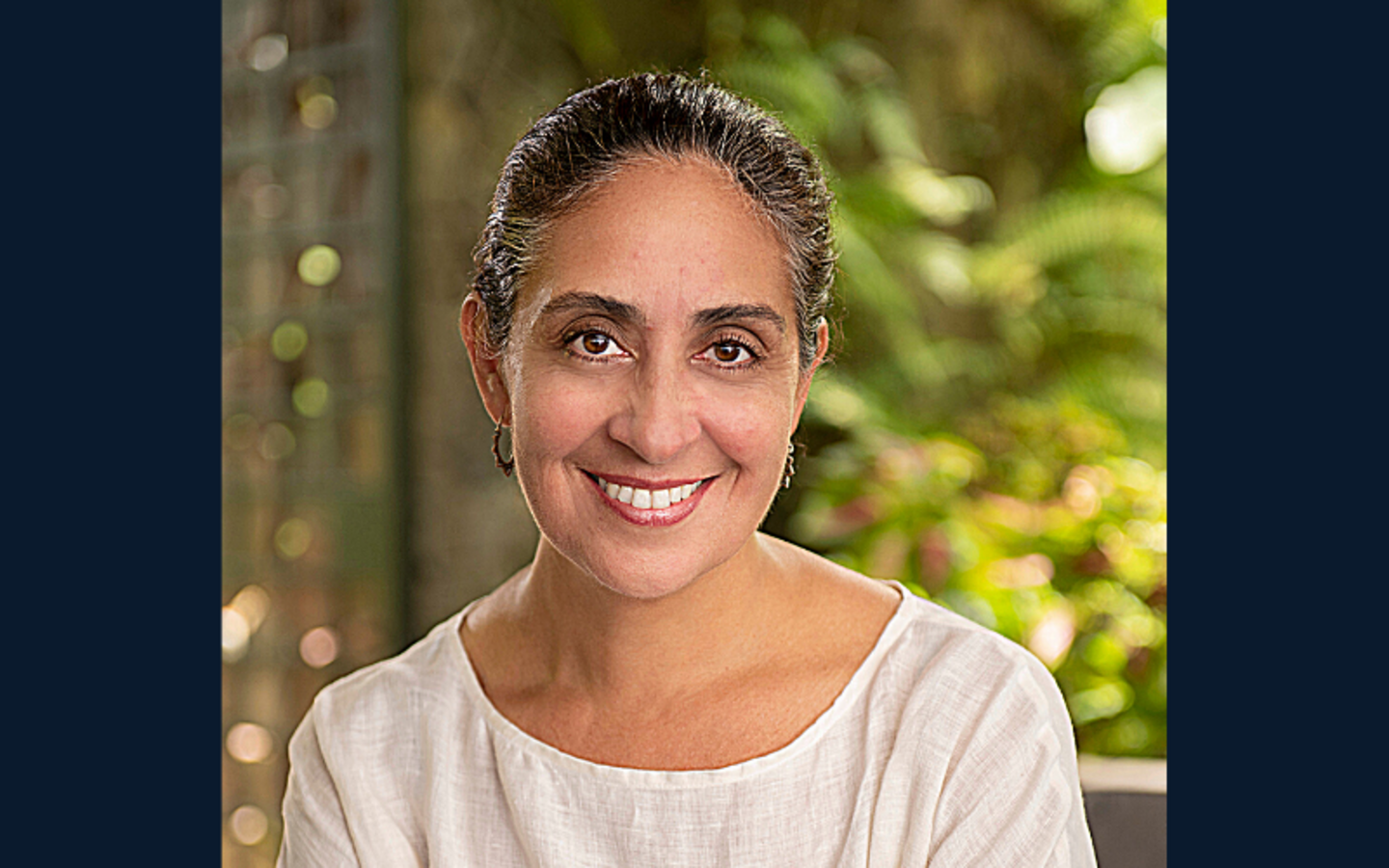
Claudia Silva - with heart and authenticity for the hotel industry
The hotel manager on her career and her work for ORIGINS
09/15/2021 Reading time: 9 Minutes
You have obtained numerous degrees throughout your career, such as a diploma in French culture, marketing and viticulture in Monte Carlo or an MBA in hospitality at the Ecole Hôtelière de Genéve, to name but a few. In your personal opinion, how important is a formal education for a successful career in the hospitality industry?
I have never considered formal training as a must to become a senior manager in the hospitality industry. On-the-job training can be another route into the industry. However, for me, a degree opens up a full spectrum of social lessons, culture, connections and opportunities to think and see the world differently. Studying has given me the skills to manage stress, think quickly, understand requirements and solve problems - all of which are good prerequisites for overcoming the daily challenges of a career in hospitality.
The direction I have taken in the industry has opened doors for me that I would never have entered otherwise. It has given me a broader perspective, a vision for my goals and how to achieve them. Getting to know other students or attending school forums (both as a student and as a guest lecturer) has motivated me to become the person I am today.
After gaining a lot of experience in various positions in large, internationally known hotels and resorts, you gradually moved to smaller boutique hotels and lodges in North and South America: why did you choose to do this and what were the biggest differences you noticed in your work or approach?
Working for large hotel chains has its advantages as there is more training and you have the opportunity to get in touch with the people working behind the scenes in this industry. However, as it is a corporate environment, there are strict procedures and guidelines. I love the direct contact with guests when they arrive at the hotel and this experience is often not offered at large chains due to the high volume of customers. My personality harmonizes better with the world of boutique hotels. They are the perfect outlet for my creativity and I get to experience the magic of welcoming guests. Although there is a lot of freedom, small hotels need to be organized efficiently and run almost like a small business (from an operational point of view). Guest feedback is always helpful; it motivates and inspires me to make sure that my team and I are on the right track.
How would you describe your leadership style?
My management style has always focused on looking after staff, not just on a professional level but also on a personal level. When you work side by side with people from the communities in which the hotel is embedded, I believe you have to understand the community, its culture and social aspects. Most importantly, we are all individuals and everyone has their own story.
I believe in a supportive, nurturing environment with an open door policy where I take the time to speak to each of my employees. It's important that they know they are valued and that every role they play is equally important. I don't do this job alone, I am part of a team without whom I would not achieve my goals.
I am here to help my team learn and develop professionally. An important aspect of this is that I point out when something is wrong with the service and why, and that I offer a solution. My team appreciates that I really care, that I am transparent and that I mean the things I say. My goal is to inspire and motivate, to lead and to provide opportunities for development. I feel it is my responsibility to give the people in my team the opportunity to live a better life.
Can you remember your first thoughts when the pandemic broke out? What did you do to stay positive and did you have any special coping mechanisms?
At the very beginning, like everyone else, I thought the problem would be solved in a few months. But towards the end of April, I realized that wasn't the case and we had to somehow turn the situation around.
I focused mainly on keeping my team busy, which we managed to do with the support of the owner, who never gave up on keeping the team together. I picked up building ideas that we had previously put on hold, including a craft store and a concierge salon. With no travel taking place, this seemed like the right time to offer guests something new without disrupting their vacation. While the hotel was closed to guests, we also took the time to carry out maintenance work and train the team in new health and safety protocols to be ready for the reopening.
I meet with other boutique hotel general managers once a month and during difficult times it has been very helpful to share concerns, information, results and strategies. We are incredibly lucky with our location, and a walk through the woods is a great way to unwind and reconnect with nature.
Has the nature of travel changed from your perspective? What are the most important criteria for today's travelers when choosing their hotel or destination?
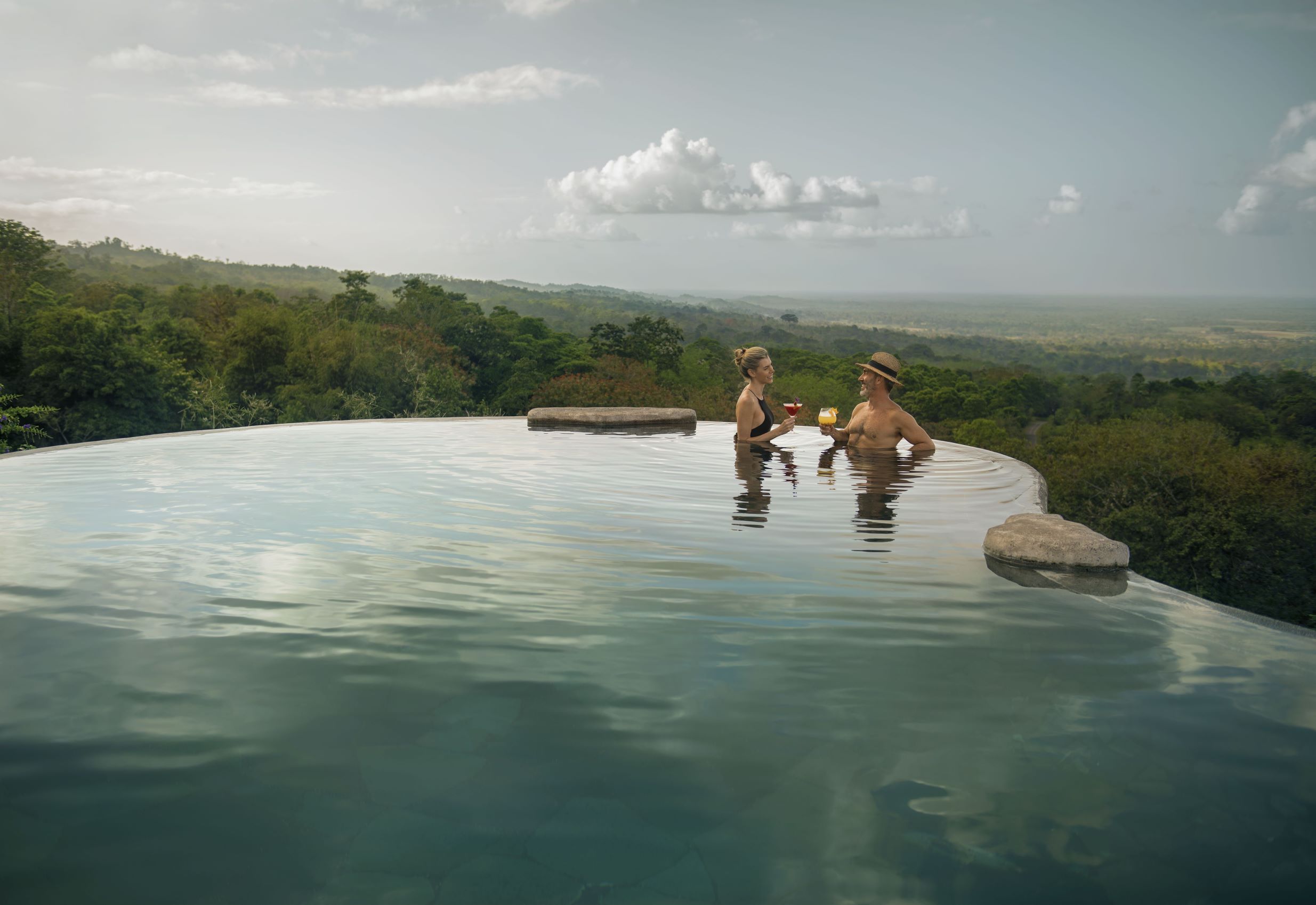
The way people travel today has definitely changed. We have learned to be more resilient, more patient and to enjoy nature more. I feel that there is a strong commitment to nature, caring, humility and a willingness to learn. There is also a desire for culturally enriching travel experiences that engage local communities. I think smaller hotels with more privacy and quiet spaces for families and couples will be in demand, as trends suggest that travelers believe hotels with smaller crowds currently pose less risk to their health.
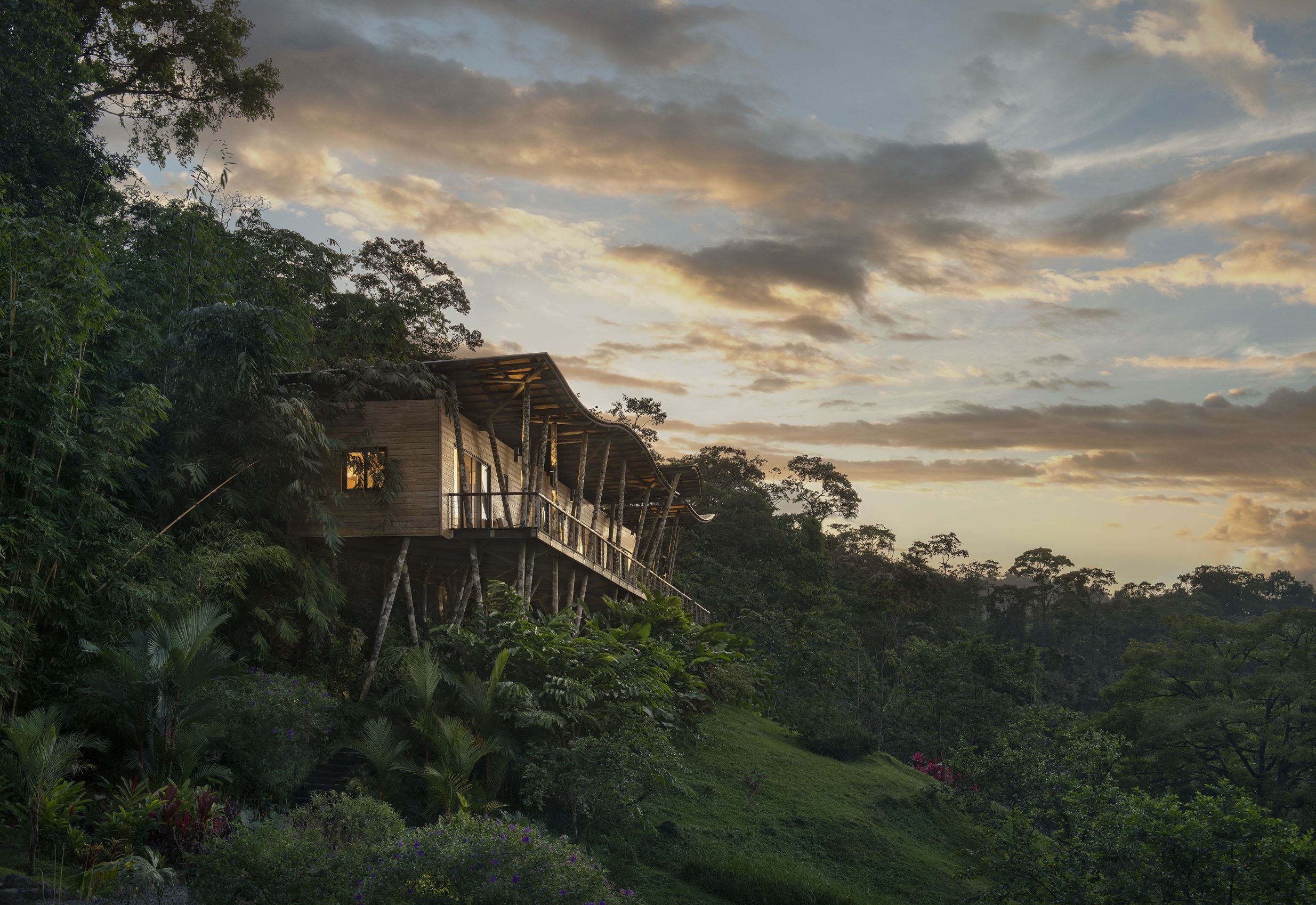
Sustainability is something that is particularly important to you at ORIGINS Luxury Lodge by Mantis. The ecological footprint was kept small during construction, clay and bamboo were used to build the resort, you have increased the local vegetation by 75 percent and much more. What are the future plans in this regard?
We are focusing on regenerative tourism that considers the impact on the environment and the community in a holistic way. Our goal is to proactively correct and implement ways to leave less of a carbon footprint and create conditions where life can continuously thrive and renew itself. For example, we can plant different types of flowers to attract hummingbirds and other birds for pollination, we can plant plants that grow in small lakes to help oxygenate the water, and we can plant mangroves in areas worthy of protection. A process is currently underway to certify our soil as 100% organic with the aim of growing and harvesting better fruit and vegetables.
Management positions in the hospitality industry are still mainly held by men. What do you think are the reasons for this?
Female managers in the hospitality industry usually work in sales and marketing or human resources and stay there. It's often the case that at some point women have to make the decision to choose their career or sacrifice it. About 90% of the women I know who are CEOs or directors are single or have no children. The other 10% who have had children later or whose partner supports them in raising children have made it to a position as director, managing director or operations manager. Ultimately, the lack of female managers is not because they are not prepared or do not have the necessary experience. The hospitality industry is extremely demanding, and in the luxury hotel industry there are more VIPs to look after, which often means that the working hours are much longer - a less favorable environment for women than for men. Although progress has not been as rapid, women entering the industry have more opportunities to progress into management positions. Employers are aware that diversity is an important business driver. A study by Deloitte found that inclusive workplaces are six times more likely to innovate and have 2.3 times more cash flow per employee than non-inclusive workplaces.
No matter which internet platform you look on: ORIGINS Luxury Lodge by Mantis always seems to exceed guests' expectations. What are some of the things that are part of a typical ORIGINS experience?
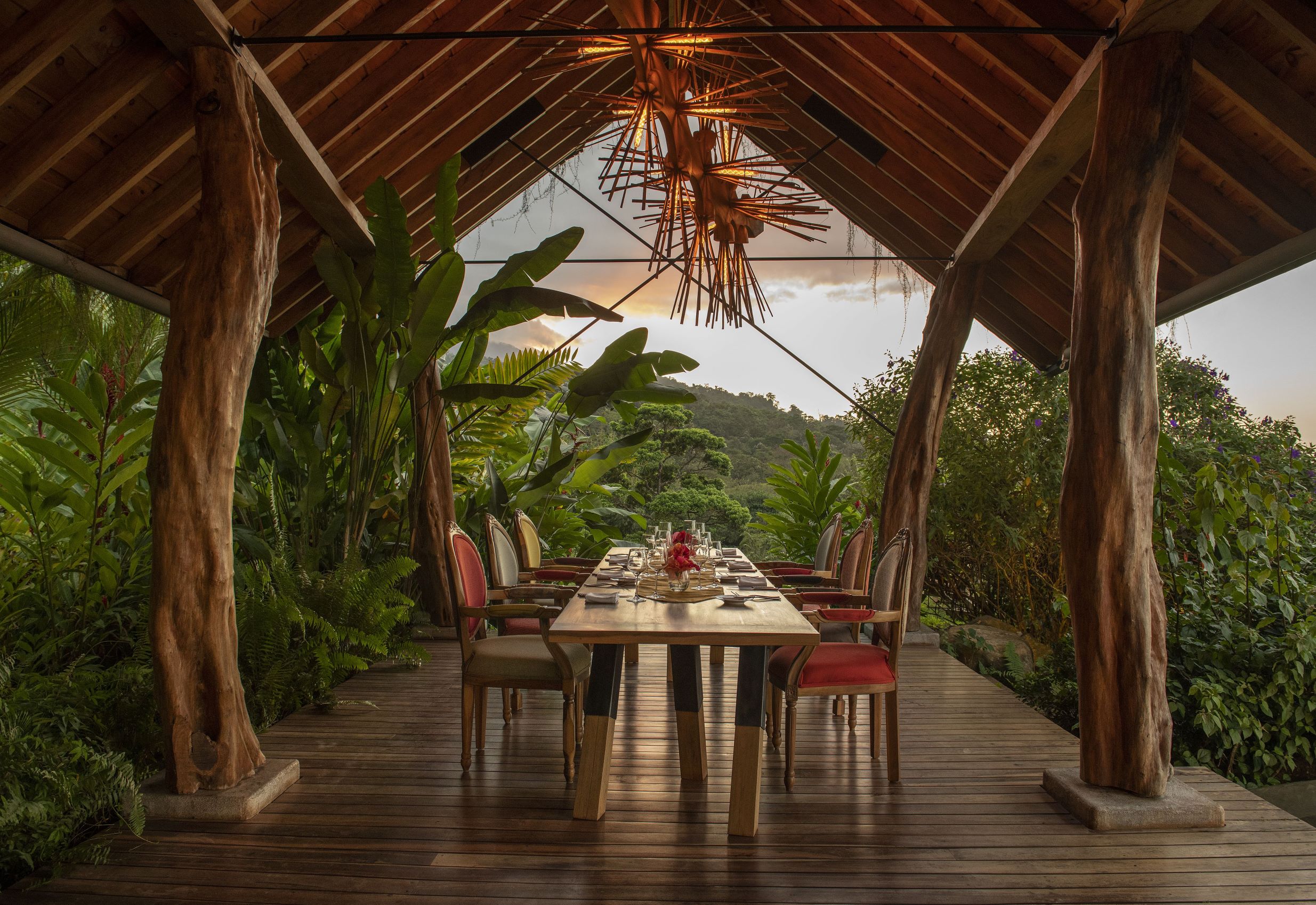
A key part of the philosophy behind the ORIGINS name is wellness and the intention to bring a state of well-being and connection with Mother Earth to our guests. I would say that our personal touch and attention to the smallest details also play a big part in the ORIGINS experience.
Even though I understand it, I'm not in favor of hotels going digital now more than ever. Even if check-in and check-out is done via a link, the success of ORIGINS with our guests lies in our personal service combined with real care. You can still follow COVID safety protocols while offering a personal touch. For example, if a guest comes back from a hike and has muddy shoes, the housekeeper will instinctively take the time to clean the shoes. The hotel industry is about human emotions, magical moments, moments of truth - because it's about giving the guest the experience they want to have. We always strive to meet and exceed our guests' expectations. It is so satisfying when guests say they don't want to leave and feel so welcome and comfortable at ORIGINS.
The ORIGINS Luxury Lodge is part of the renowned Mantis Collection, which focuses strongly on sustainability issues and unique places in the world. What do you think is the most important thing about being part of this chain?
Mantis stands for "Man and Nature Together Is Sustainable" and has more than 20 years of experience in nature conservation and social responsibility. The eco-lodge: Mantis Founders Lodge in South Africa is a symbol of sustainable tourism, culture, conservation and community integration, as it was here that conservationist and founder of the Mantis Collection, Adrian Gardiner, pioneered the rewilding of the Shamwari Game Reserve (the first Big Five reserve) in the Eastern Cape. Adrian and the Mantis team have successfully created a place where people and nature can co-exist sustainably and have developed this globally, with the idea that travelers can view the Mantis portfolio as a mark of quality, consistency and character. Inclusion in the collection means that ORIGINS is part of a diverse portfolio of handpicked accommodations that drive the sustainability movement and promote appreciation for the land, its creatures and communities. Mantis offers eco-conscious luxury travelers the opportunity to connect with nature and enhance their outlook on life while celebrating authenticity, heritage, culture and locality.
Interview: Claudia Hilmbauer


![[Translate to en:] AMADEUS Riva (c) Lüftner Cruises](/fileadmin/_processed_/d/e/csm_AMADEUS_Riva_ebdf4c2c55.jpg "[Translate to en:] AMADEUS Riva (c) Lüftner Cruises")








































![[Translate to en:] AMADEUS Riva (c) Lüftner Cruises](/fileadmin/_processed_/d/e/csm_AMADEUS_Riva_64c1995e26.jpg "[Translate to en:] AMADEUS Riva (c) Lüftner Cruises")