


Thailand paradise
10/27/2021 Reading time: 3 Minutes
Respect for flora, fauna and wild animals is just as much a part of a sustainable trip to Thailand as the enjoyment of locally produced products.
Nature and the environment are diverse and fascinating in Thailand, making it all the more important to preserve these resources. Green traveling, environmentally conscious travel, is therefore a major concern of the country. Thailand's economy is largely shaped by tourism, and it is in the interest of both travelers and tour operators to use and offer socially and ecologically valuable concepts. In addition to sustainability and environmental and species protection, this also includes supporting the local population: visitors to the country can not only help regional providers directly, but also come into contact with the local people.
More and more resorts are leading the way: Hotels and resorts blend in perfectly with their natural surroundings. The focus is on regional products and projects to protect the environment are inspiring travelers for green tourism in Thailand. A good example is the "SAVE the Ocean & SAVE for your Dive" project: interested divers are given a garbage bag and collect garbage from the sea. In return, they receive stamps and discounts for dives. Above all, however, they are doing something good for the ecosystem. Even before you start your trip, you can pay attention to a few details when choosing your future hotel in order to travel in an environmentally friendly way. For example, it is important to note the use of local building materials in the architecture. There are also numerous certificates in circulation that indicate sustainability, such as the Thailand Green Excellence Award, the Green Globe or the Green Leaf Foundation.
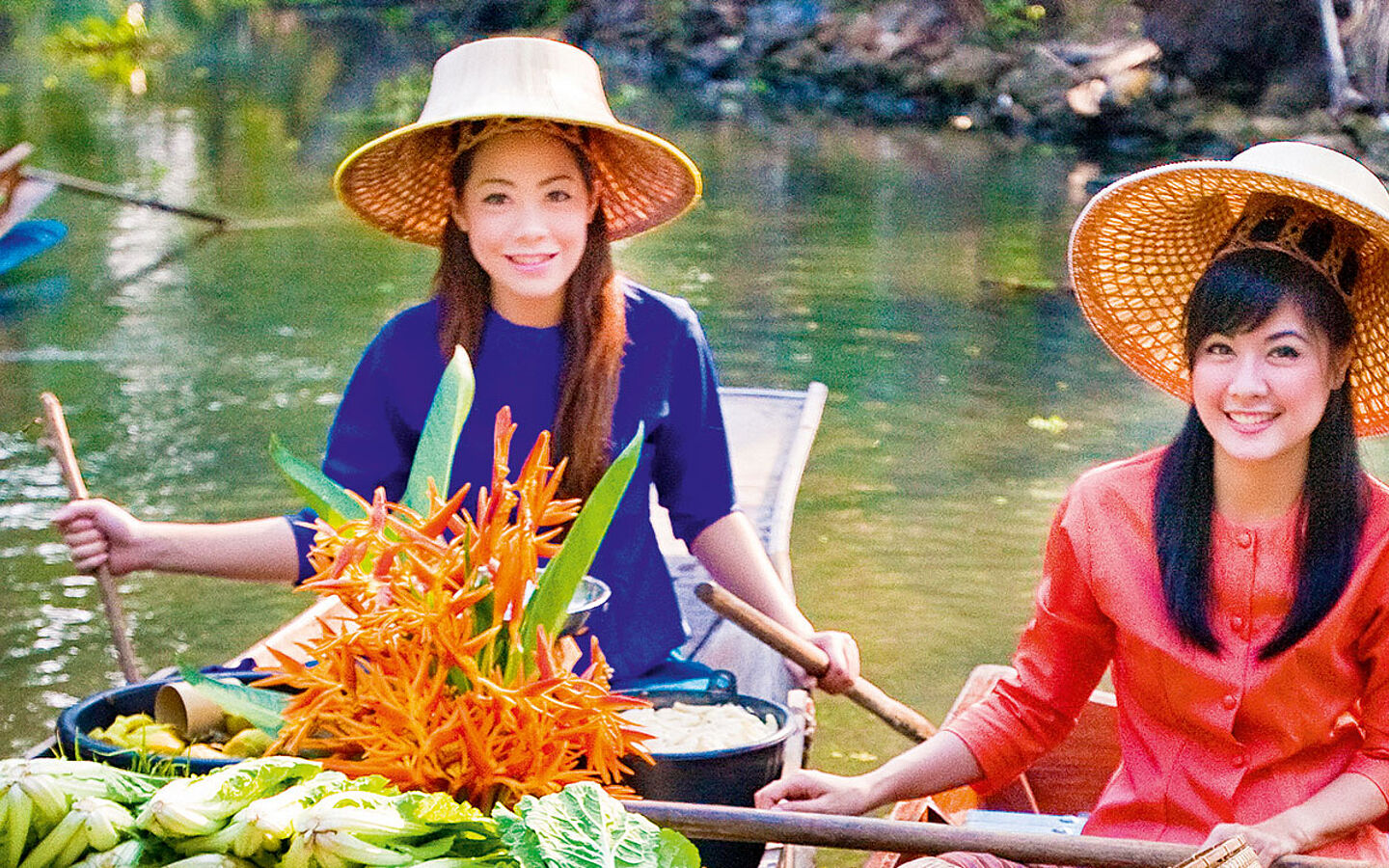
Food is, as always, one of the keys to better understanding another culture, and Thailand is no different. By supporting regional products from fair cultivation, you can make an essential contribution to sustainability. The use of regional products in hotel and resort kitchens is not only crucial for local producers, but also an important prerequisite for discovering the authentic taste of Thai dishes.
A best practice example is the TongTomYai Homestay. It is located on the beautiful Sairee Sawee Beach in the Gulf of Thailand. Guests wake up with a direct view of the glistening sea and the surrounding nature is close enough to touch. Visitors have the chance to do their bit for the environment with various outdoor activities such as litter collection or the Seahorse Project. In the "Seahorse" project, you can work with experts to prepare food and retreats for the sea creatures.
Snorkeling, kayaking and other water sports are of course also part of the offer to get to know the country's nature better. Another example of sustainability in action in Thailand is Soneva Kiri, a 5-star resort known for its environmental projects with a private beach and infinity pool on Koh Kood. The Anana Ecological Resort in Krabi has Green Globe certification for its ambience and pool. The Eco-Logic Resort in the jungle of Ranong offers ecologically well-equipped bungalows.
Keemala is a 5-star resort with small "bird's nest villas" and its own organic farming in Phuket. And the Zeavola Resort on Koh Phi Phi is a luxury resort with wooden bungalows - it has received numerous awards for its eco-tourism.
Elephant sanctuaries throughout Thailand are setting a good example and giving elephants that have not had a good life a new home, such as the Elephant Nature Park in Chiang Mai. If you visit such places in Thailand, the entrance fee goes towards caring for the elephants.
Nature and the environment are diverse and fascinating in Thailand, making it all the more important to preserve these resources. Green traveling, environmentally conscious travel, is therefore a major concern of the country. Thailand's economy is largely shaped by tourism, and it is in the interest of both travelers and tour operators to use and offer socially and ecologically valuable concepts. In addition to sustainability and environmental and species protection, this also includes supporting the local population: visitors to the country can not only help regional providers directly, but also come into contact with the local people.
More and more resorts are leading the way: Hotels and resorts blend in perfectly with their natural surroundings. The focus is on regional products and projects to protect the environment are inspiring travelers for green tourism in Thailand. A good example is the "SAVE the Ocean & SAVE for your Dive" project: interested divers are given a garbage bag and collect garbage from the sea. In return, they receive stamps and discounts for dives. Above all, however, they are doing something good for the ecosystem. Even before you start your trip, you can pay attention to a few details when choosing your future hotel in order to travel in an environmentally friendly way. For example, it is important to note the use of local building materials in the architecture. There are also numerous certificates in circulation that indicate sustainability, such as the Thailand Green Excellence Award, the Green Globe or the Green Leaf Foundation.
Food is, as always, one of the keys to better understanding another culture, and Thailand is no different. By supporting regional products from fair cultivation, you can make an essential contribution to sustainability. The use of regional products in hotel and resort kitchens is not only crucial for local producers, but also an important prerequisite for discovering the authentic taste of Thai dishes.
A best practice example is the TongTomYai Homestay. It is located on the beautiful Sairee Sawee Beach in the Gulf of Thailand. Guests wake up with a direct view of the glistening sea and the surrounding nature is close enough to touch. Visitors have the chance to do their bit for the environment with various outdoor activities such as litter collection or the Seahorse Project. In the "Seahorse" project, you can work with experts to prepare food and retreats for the sea creatures.
Snorkeling, kayaking and other water sports are of course also part of the offer to get to know the country's nature better. Another example of sustainability in action in Thailand is Soneva Kiri, a 5-star resort known for its environmental projects with a private beach and infinity pool on Koh Kood. The Anana Ecological Resort in Krabi has Green Globe certification for its ambience and pool. The Eco-Logic Resort in the jungle of Ranong offers ecologically well-equipped bungalows.
Keemala is a 5-star resort with small "bird's nest villas" and its own organic farming in Phuket. And the Zeavola Resort on Koh Phi Phi is a luxury resort with wooden bungalows - it has received numerous awards for its eco-tourism.
Elephant sanctuaries throughout Thailand are setting a good example and giving elephants that have not had a good life a new home, such as the Elephant Nature Park in Chiang Mai. If you visit such places in Thailand, the entrance fee goes towards caring for the elephants.







![[Translate to en:]](/fileadmin/_processed_/4/d/csm_Spring23_Wine_Sideshots_0891_4fe01c4668.jpg "[Translate to en:]")



















































![[Translate to en:]](/fileadmin/_processed_/4/d/csm_Spring23_Wine_Sideshots_0891_e0e951bfb0.jpg "[Translate to en:]")