


Missions & visions
5 ideas for a new way of traveling
10/01/2024 Reading time: 6 Minutes
Tourism has always been a driving force when it comes to innovation. Movers and shakers from the industry play a key role in determining what the (travel) world of the future will look like. After all, it was just 50 years ago that the first resourceful hoteliers started to turn the Maldives into a dream tourist destination. It is the missions of individuals that can achieve great things. Here are five visionary ideas you should have on your radar right now:Landhotel Bohrerhof, Black Forest/Germany
Farm-to-table is not a new concept in itself. Many hotels rely on ingredients from their own production, be it from the vegetable and herb garden or from their own farm. With the "Bohrerhof", the Bohrer family in the southern Black Forest now wants to play its part in making tourism more sustainable. The family has more than enough experience in farming.
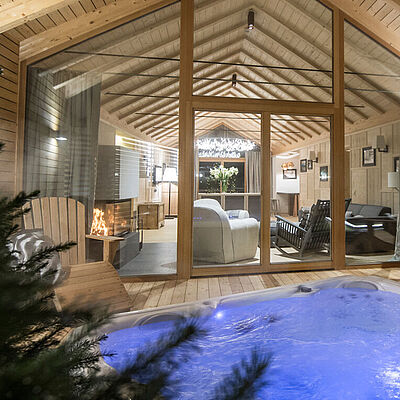
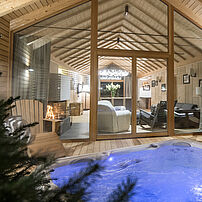
They have been growing asparagus, zucchinis, pumpkins, chicory, lamb's lettuce and strawberries for over40 years. Previously, Edeka Südwest and the guests in the farm's own country restaurant were among the customers. The step towards the farm's own hotel was therefore only natural. The country hotel - built from sustainable building materials, primarily wood, and in panel construction - is due to be completed this fall. On top of this, there will be renewable energies, an in-house bakery and patisserie as well as a self-sufficient heating and cooling system. www.bohrerhof.de
The Ritz-Carlton Maldives, Fari Islands/Maldives
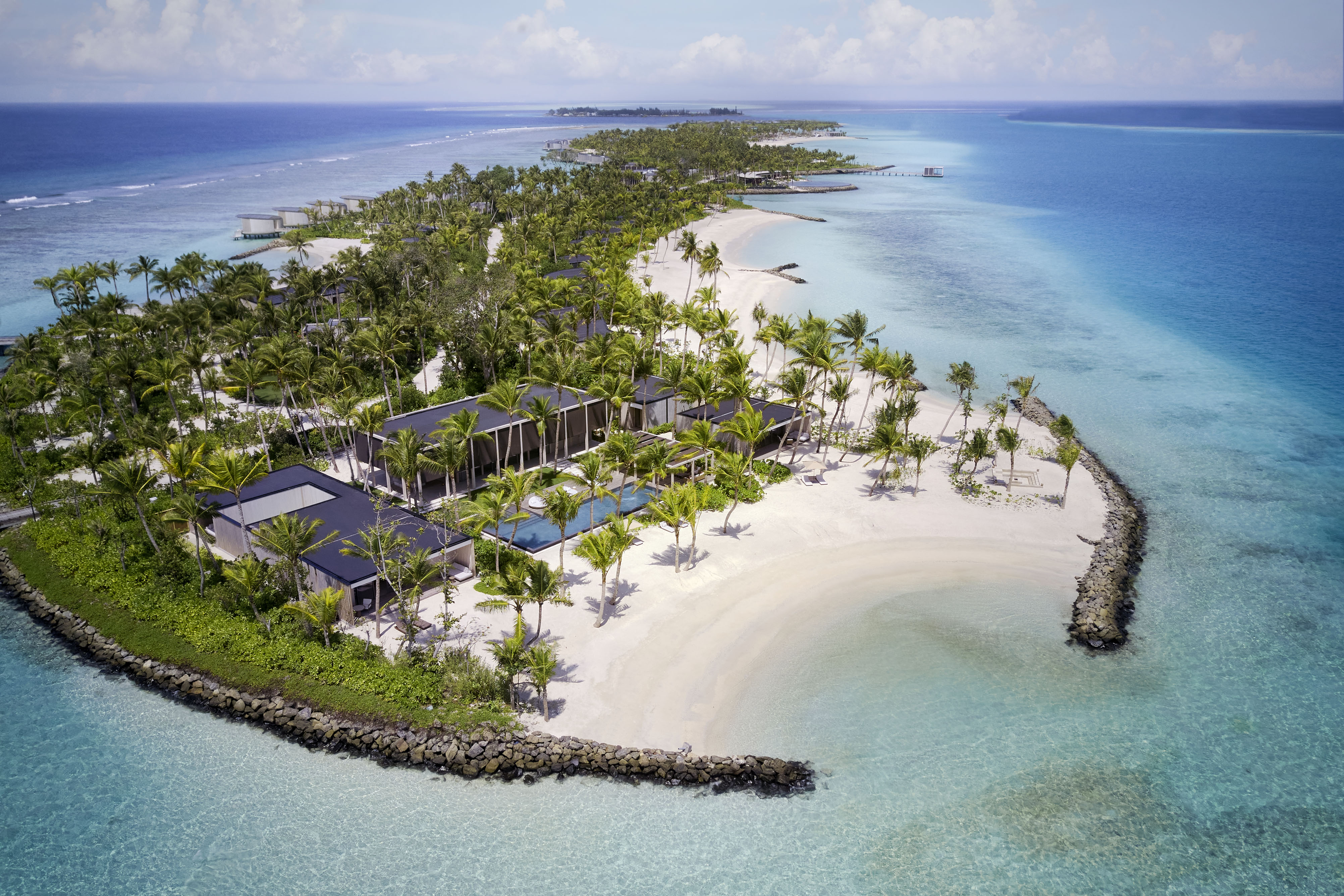
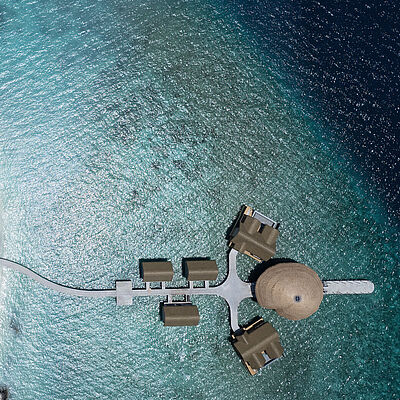
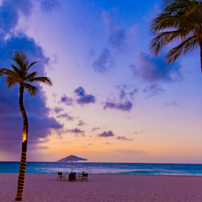
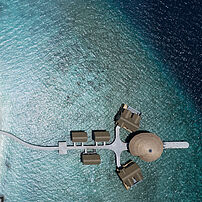
A lot has happened since the first resort guests first set eyes on the glistening white sandy beaches, swaying palm trees and crystal-clear waters of the Maldives in 1972. Especially in terms of sustainability. Kerry Hill Achitects (KHA) has received several awards for its efforts in this regard for The Ritz-Carlton Maldives, Fari Islands. Inspired by the natural landscape of the turquoise lagoon, the swirling sea breezes and the perpetual movements of the Indian Ocean, 100 villas were built on the beaches of the North Male Atoll.
The sensitive reef ecosystem was a top priority right from the planning stage. To minimize the impact during construction, for example, prefabricated components were used. This reduced the use of heavy equipment. It also resulted in no waste. Where possible, the natural sea breeze is used to cool public spaces instead of air conditioning. Solar panels and sustainable materials are also used. Another innovation is the exclusive collaboration with the Jean-Michel Cousteau environmental program. This gives guests a deep insight into the ecology of the islands. www.ritzcarlton.com
Lithuania: Reuse of abandoned buildings
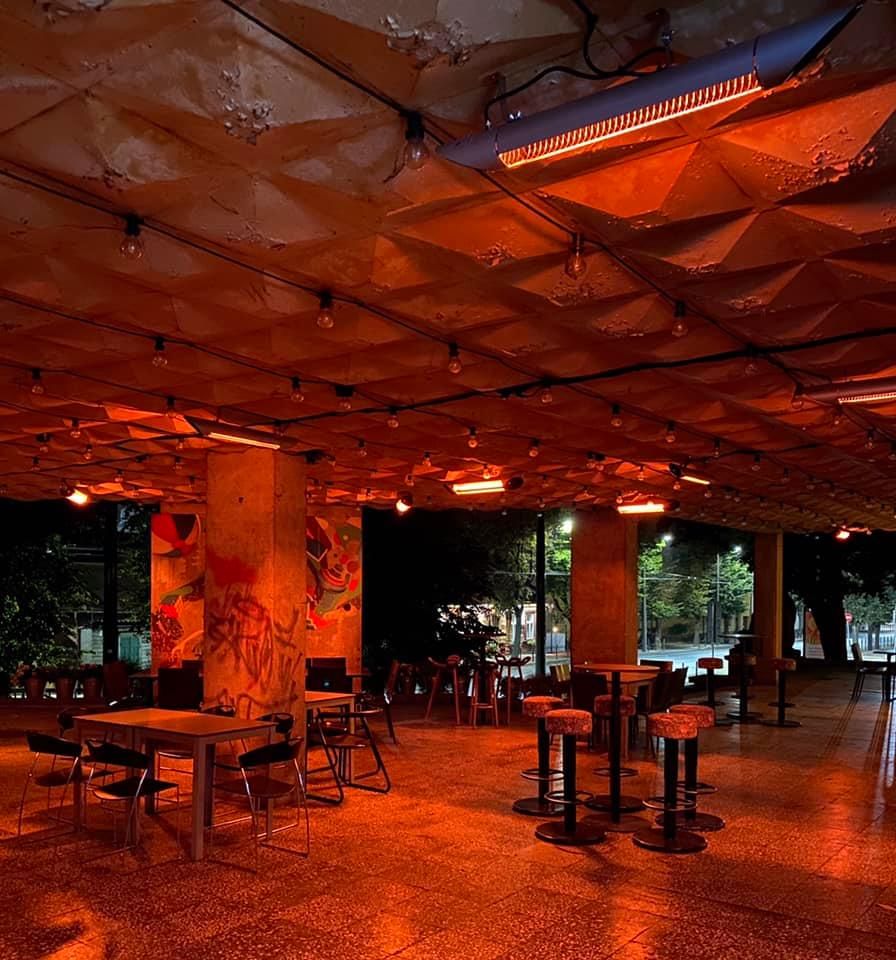
One of the problems for the climate is the increasing sealing of surfaces. Lithuania is now taking the opposite approach. Instead of constructing new buildings, they are simply reusing those that have been abandoned for some time. Former cafés, railroad platforms and even an abandoned prison have been given a new lease of life. The country's past and present are merging to create a better future. The once weathered buildings are now celebrating their second life as cultural hotspots.
One example is "Peronas". The lively, colorful industrial chic bar was built directly on the tracks near an old train station building in Vilnius. At times, it also serves as an art gallery. However, it is always a place of joy and life. In the former Lukiškės prison in Vilnius, a happier time has now dawned. Where political prisoners were once housed, there is now a meeting place for culture, creative expression and community. Over 250 artists, exhibitions, bars and concert days have replaced dreary prison cells.
"Smart City" Ellinikon, Athens/Greece
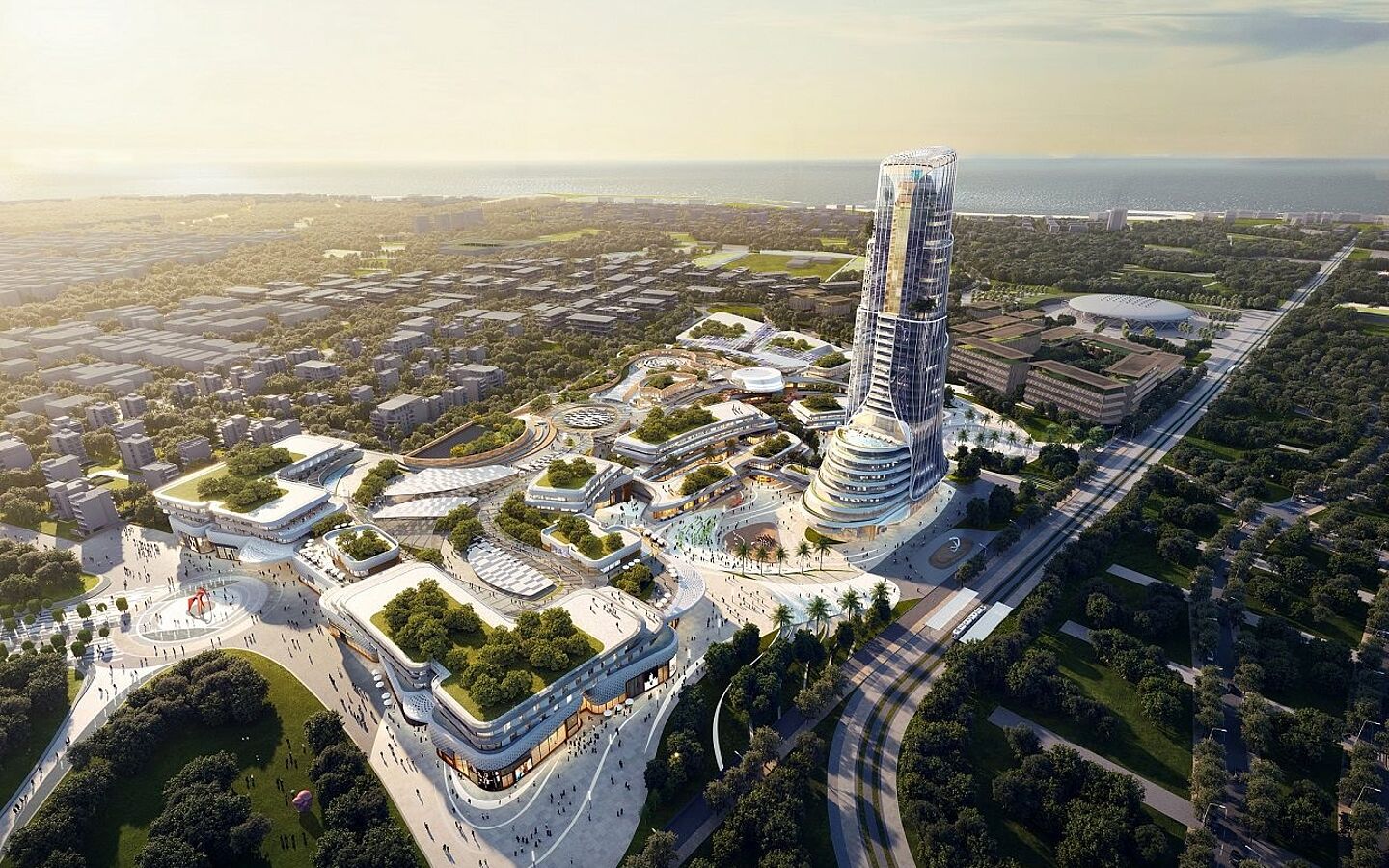
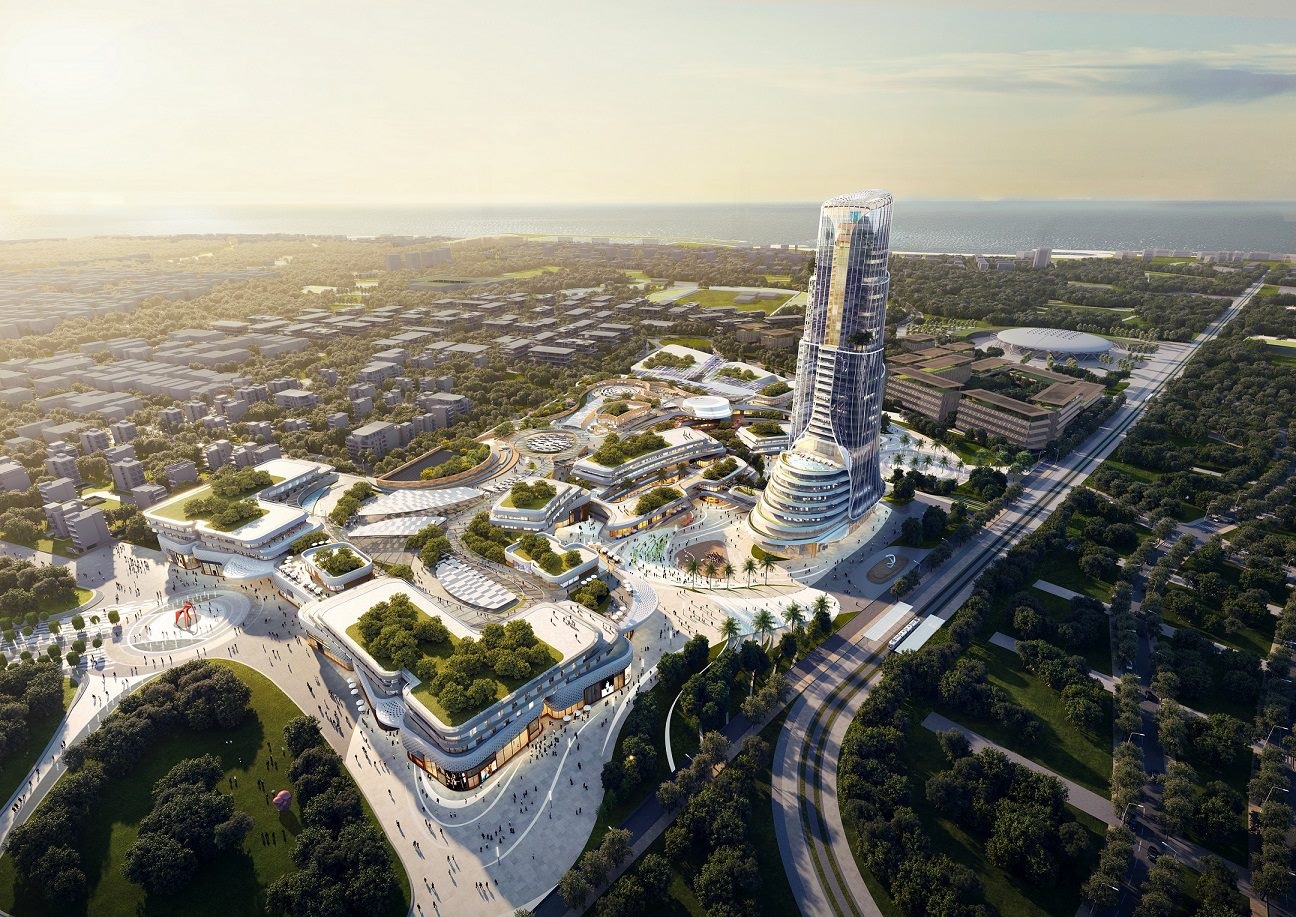
It is probably one of the largest and most ambitious urban regeneration projects in Europe. Ellinikon is also making waves around the world. It is a project that is set to become an international pioneer for smart living, indoor-outdoor business, coastal and environmental design and sustainable, low-carbon urban regeneration. It will be home to upscale residential and brand worlds in various price categories as well as generous green spaces. Among other things, the largest coastal park in the world is to be created. With 50 kilometers of cycle and pedestrian paths, it will be the first "smart park" in Greece.
Among many other concepts, it will include seamless connectivity, augmented reality navigation and intelligent energy systems. The architecture will be bioclimatic. This means that green façades will be used for thermal insulation. At the same time, they reduce carbon dioxide and purify the air. Odisseas Athanasiou, Chief Executive Officer of Lamda Development, promises: "Ellinikon City reflects a new paradigm of living, working and enjoying life by the sea". Visitors can already view the elements of the city in a former aircraft hangar at the "Ellinikon Experience Center". The "Living a New Era" exhibition with more than 25,000 individual parts brings them closer to the scale of the city on a scale of 1:625.
Ongava Game Reserve, Windhoek/Namibia
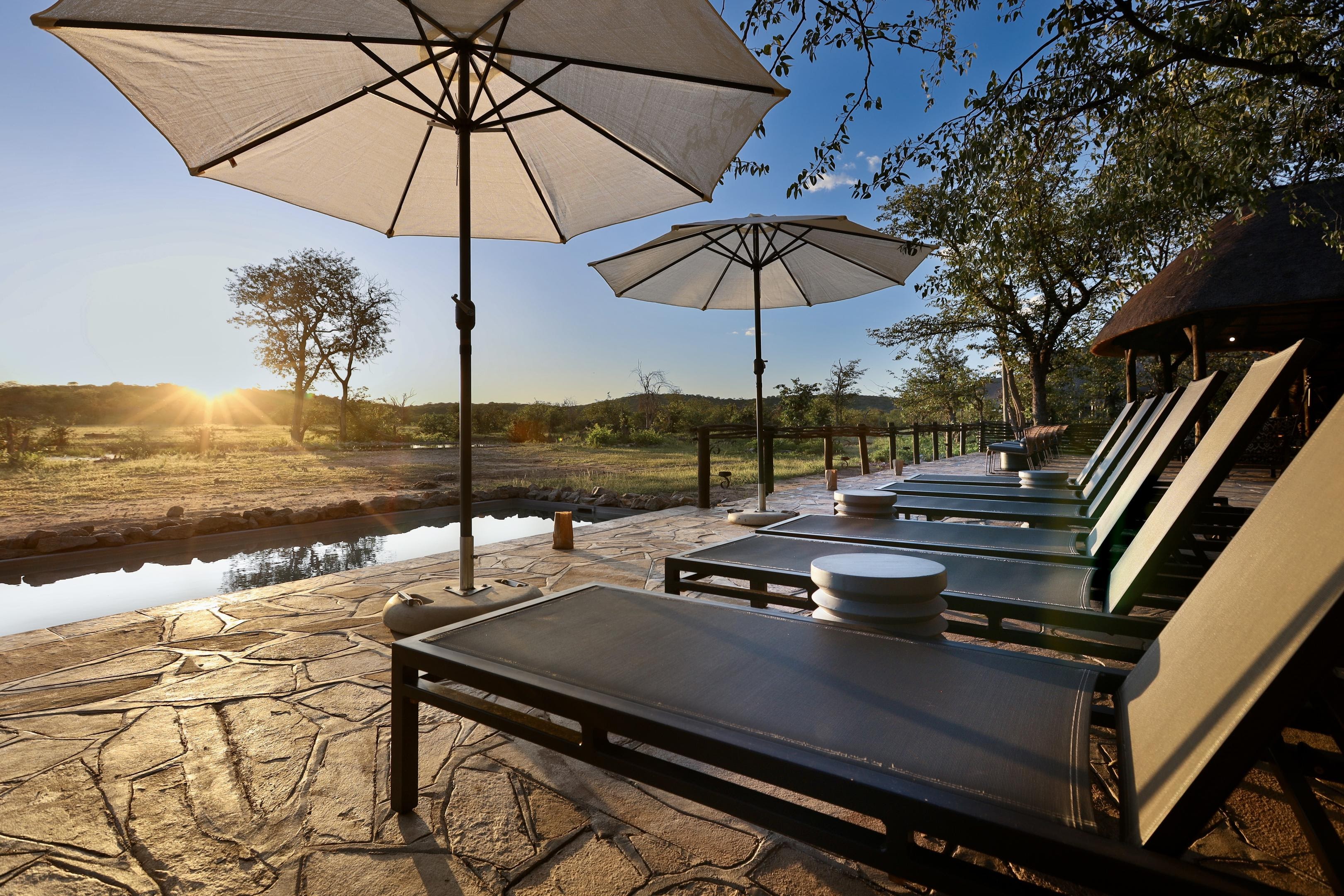
For over 30 years, the Ongava Game Reserve south of Etosha National Park has been committed to giving nature its place and putting it first. This "Listen to Nature" philosophy is also passed on to the safari guests at the four lodges on the 30,000-hectare game reserve. The reserve - one of the largest and most select private nature reserves in Namibia - has its roots in cattle breeding. In 1991, a few like-minded families joined forces, bought the unprofitable farms and created a nature reserve. Even then, the aim was to protect endangered wild animal species. And the families' vision did indeed bear fruit. Today, lions, white and black rhinos, warthogs, zebras, antelopes and giraffes roam around the waterholes. The genetics and behavior of the rhinos are studied in their own research station.
The pioneer of eco-tourism gives its guests an insight into the work on site at the Ongava Visitor Center. On safaris, sometimes on foot and always accompanied by experienced guides, guests get close to rhinos and other wild animals. During the excursions, guests pay close attention to nature, pause for a moment and listen to the sounds of their surroundings. During these "mindfulness safaris", they are filled with deep calm and instinctively feel the importance of nature. Once you see the beauty under the African sun, you can't help but go through life more consciously in future. www.ongava.com


![[Translate to en:] AMADEUS Riva (c) Lüftner Cruises](/fileadmin/_processed_/d/e/csm_AMADEUS_Riva_ebdf4c2c55.jpg "[Translate to en:] AMADEUS Riva (c) Lüftner Cruises")






























![[Translate to en:] AMADEUS Riva (c) Lüftner Cruises](/fileadmin/_processed_/d/e/csm_AMADEUS_Riva_64c1995e26.jpg "[Translate to en:] AMADEUS Riva (c) Lüftner Cruises")